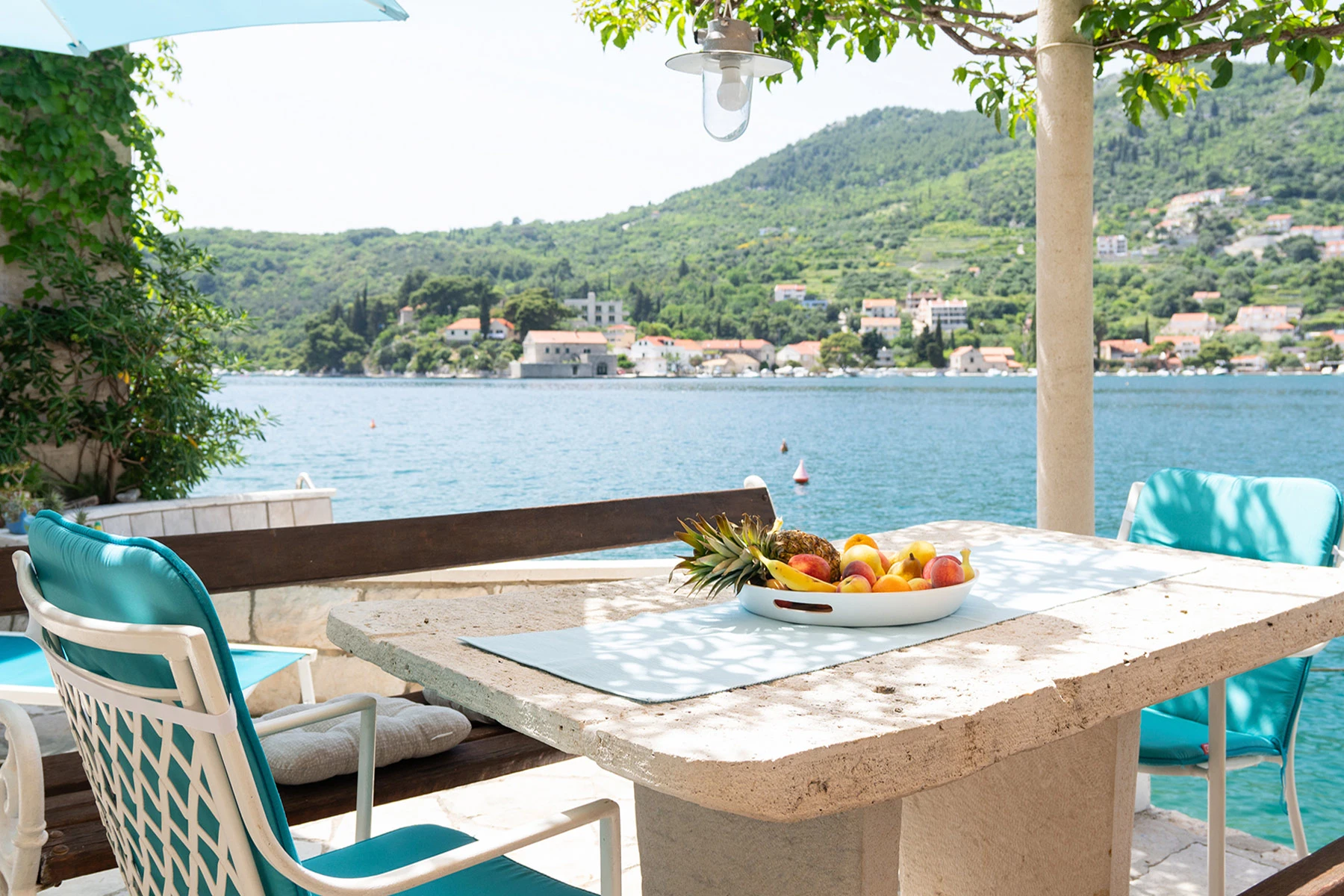
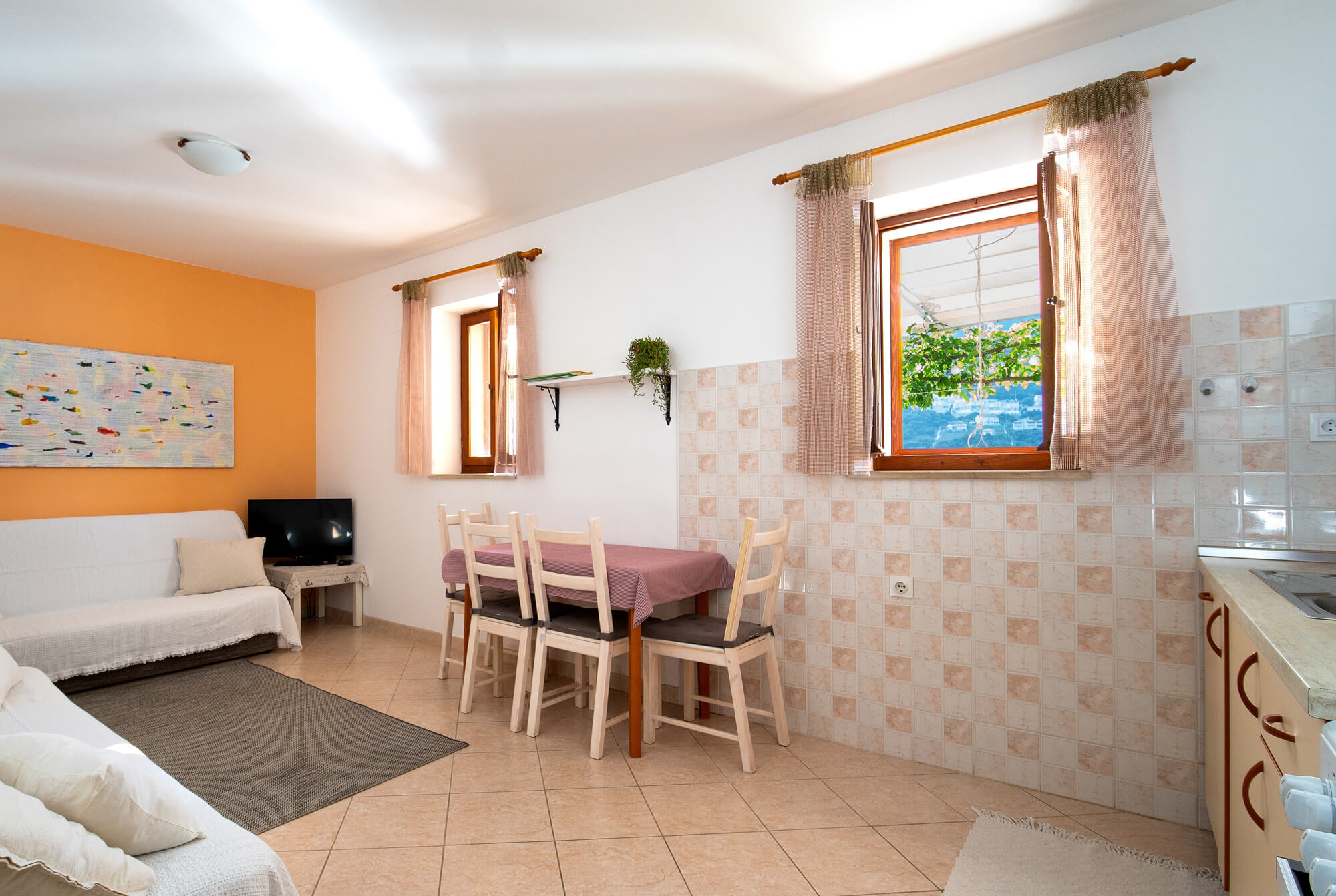
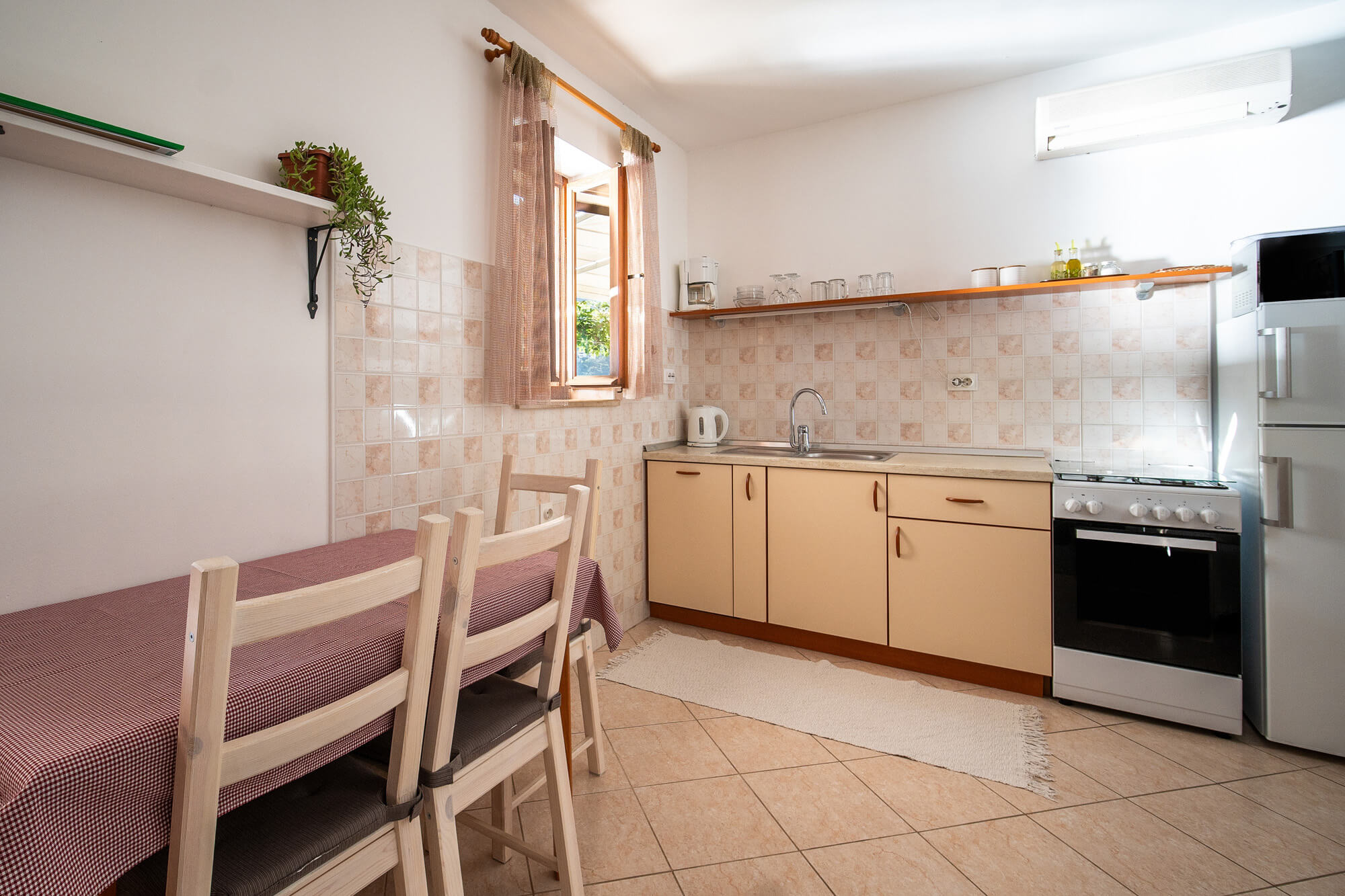
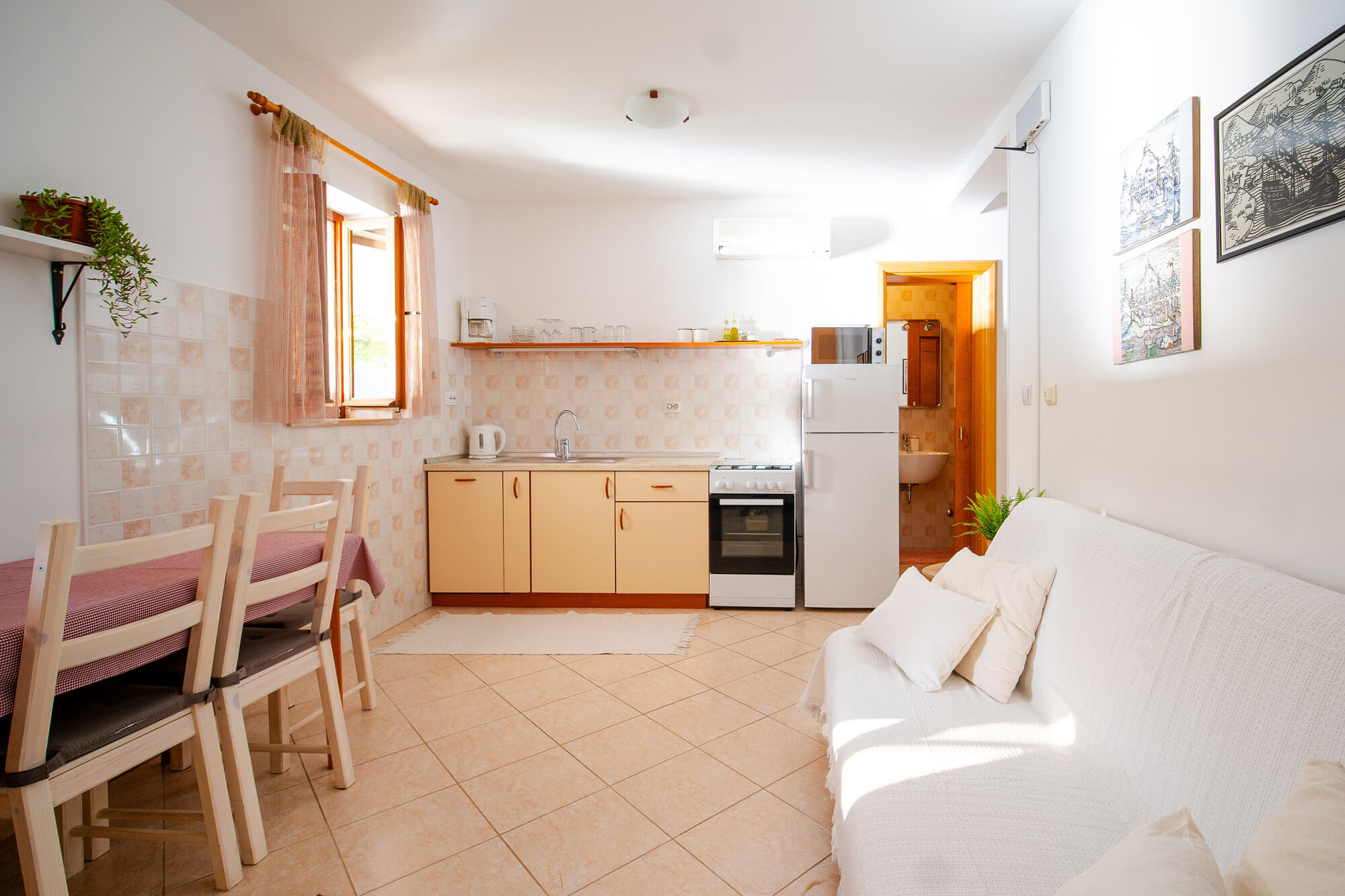
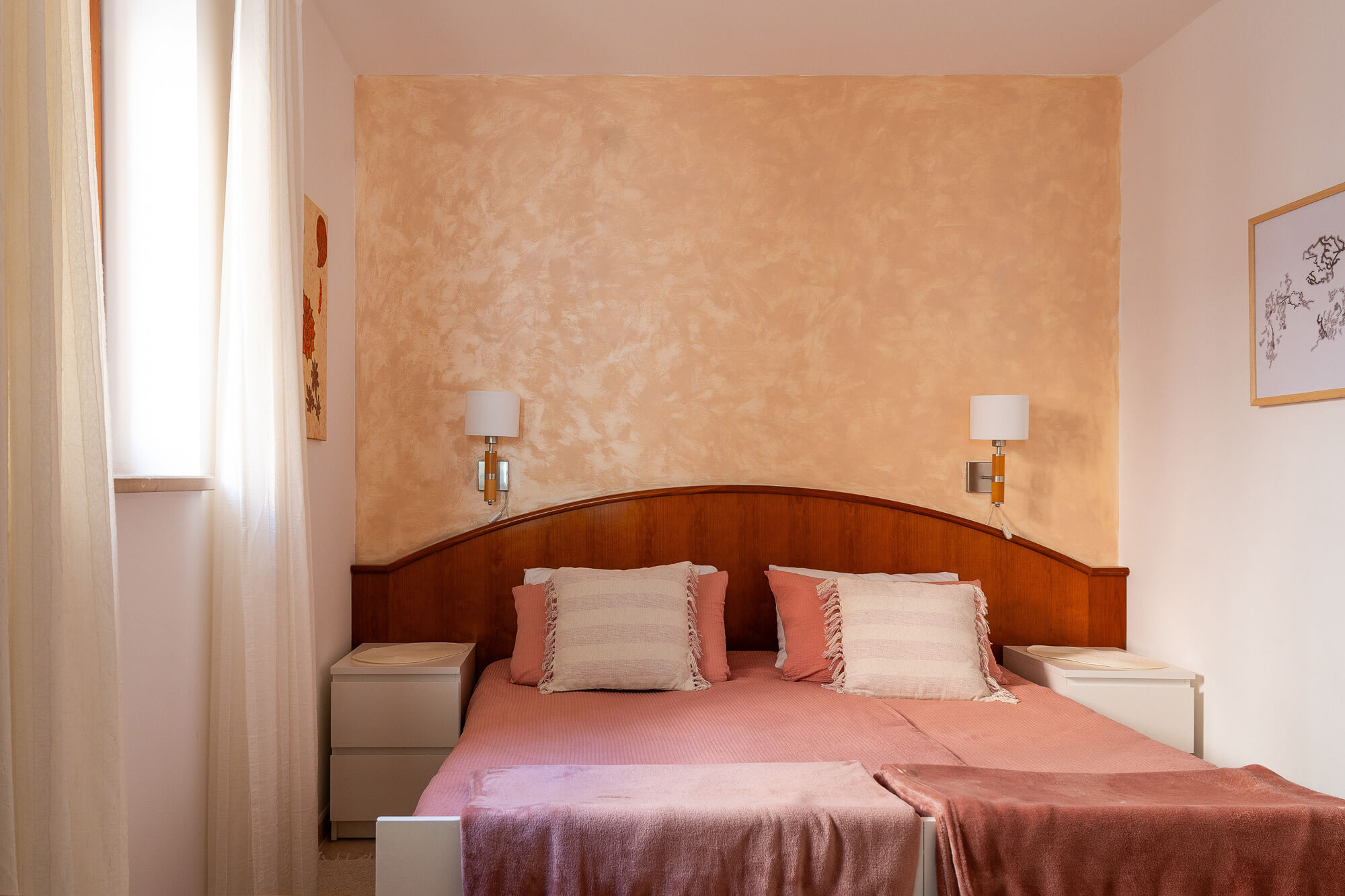
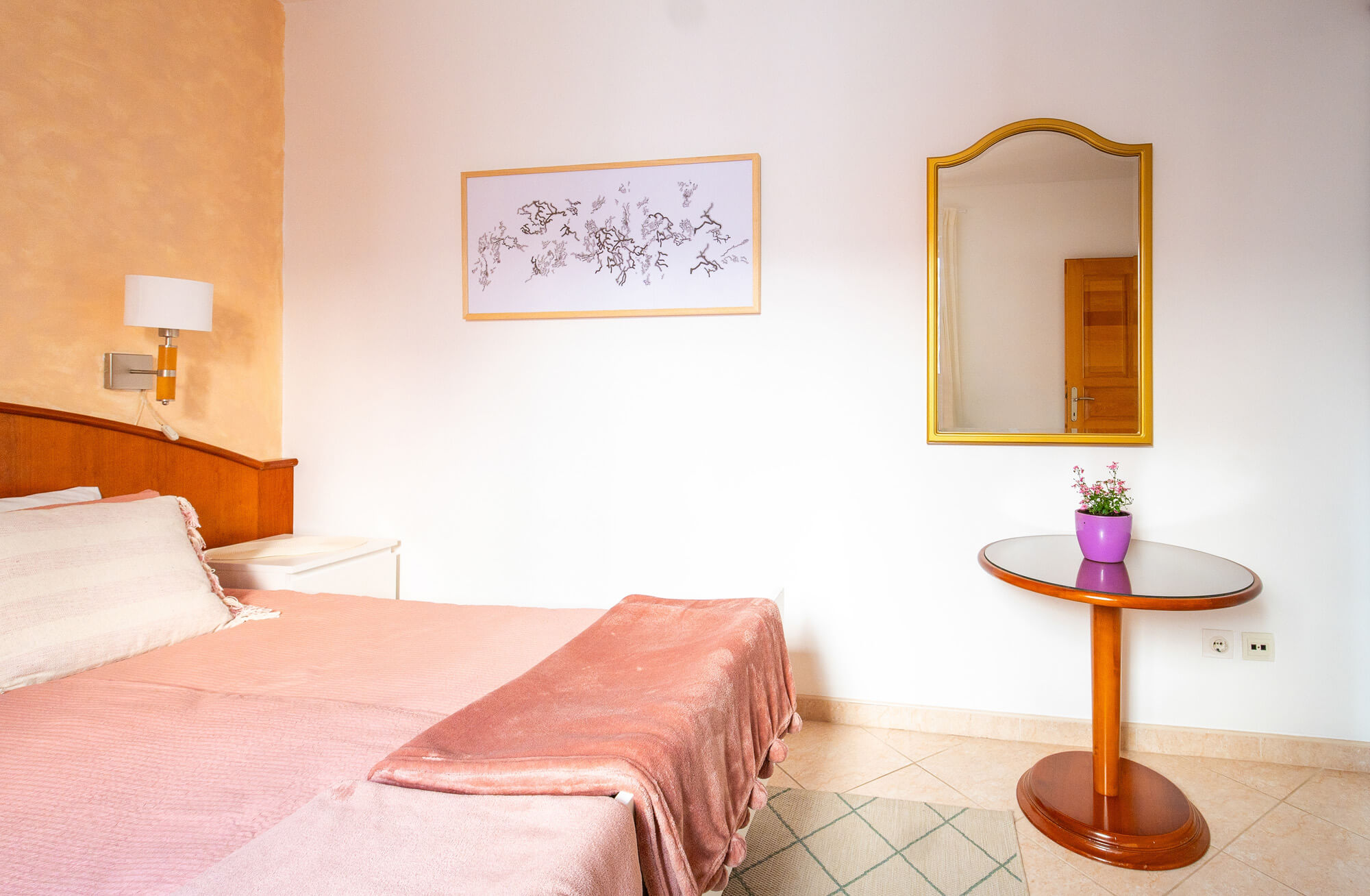
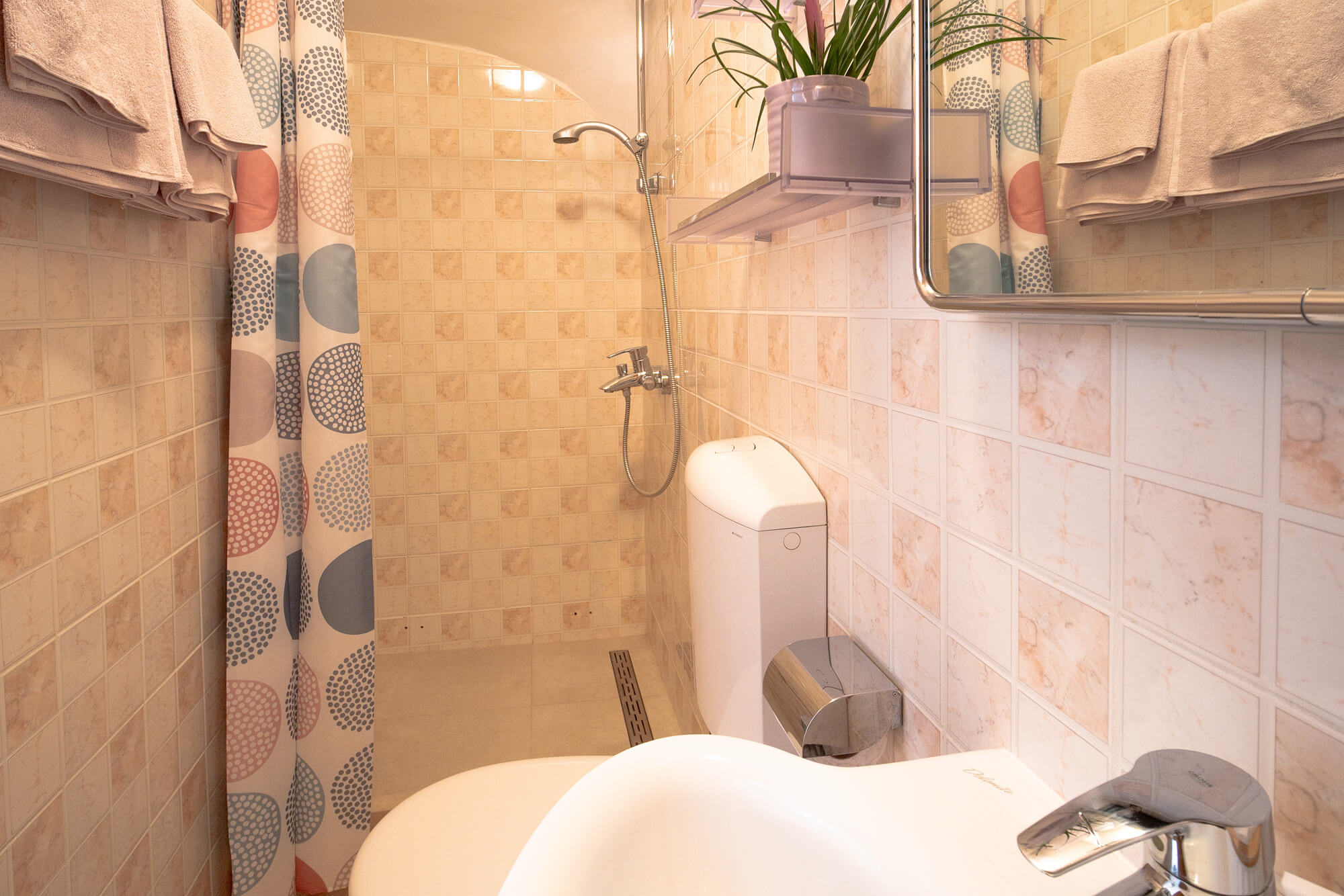
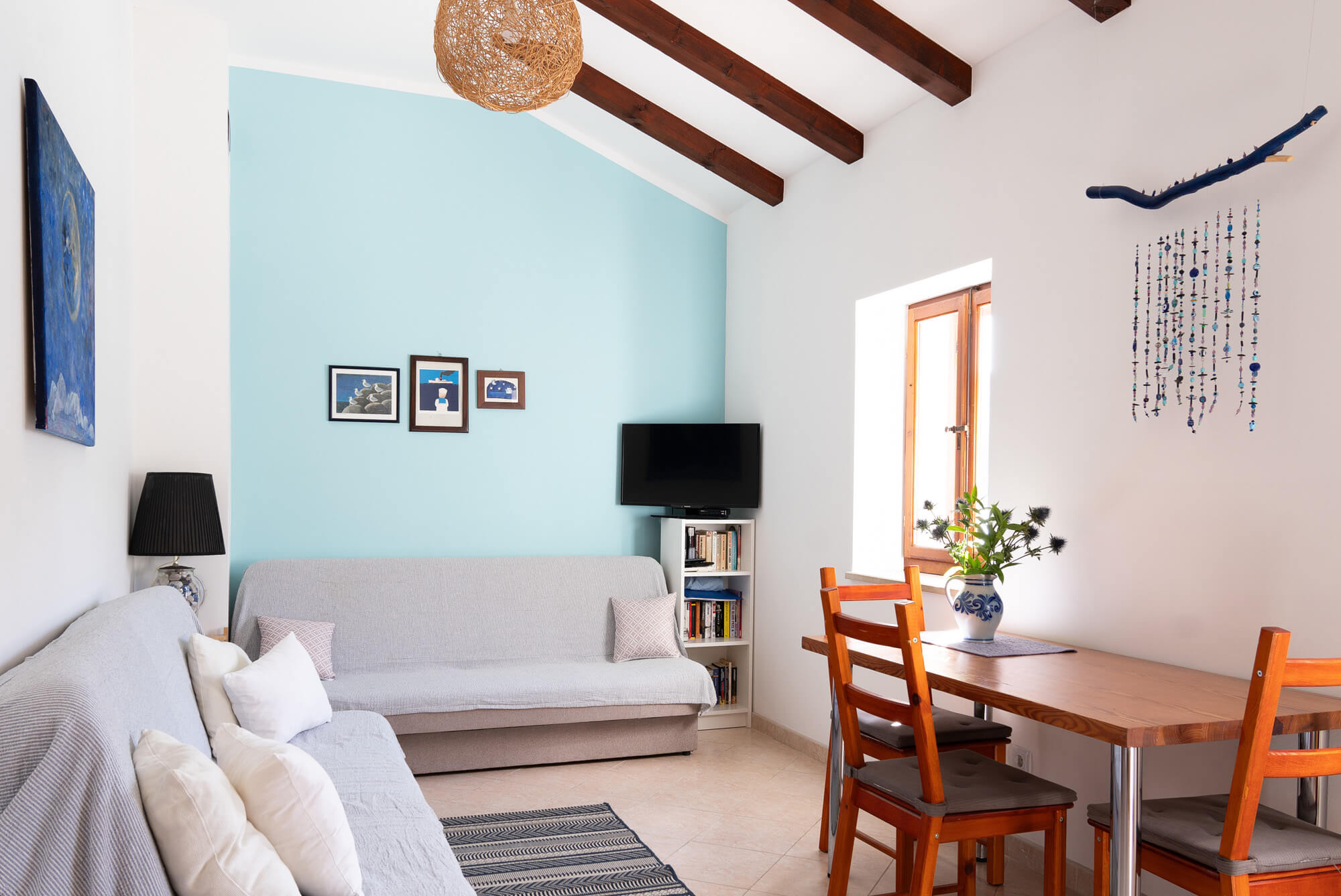
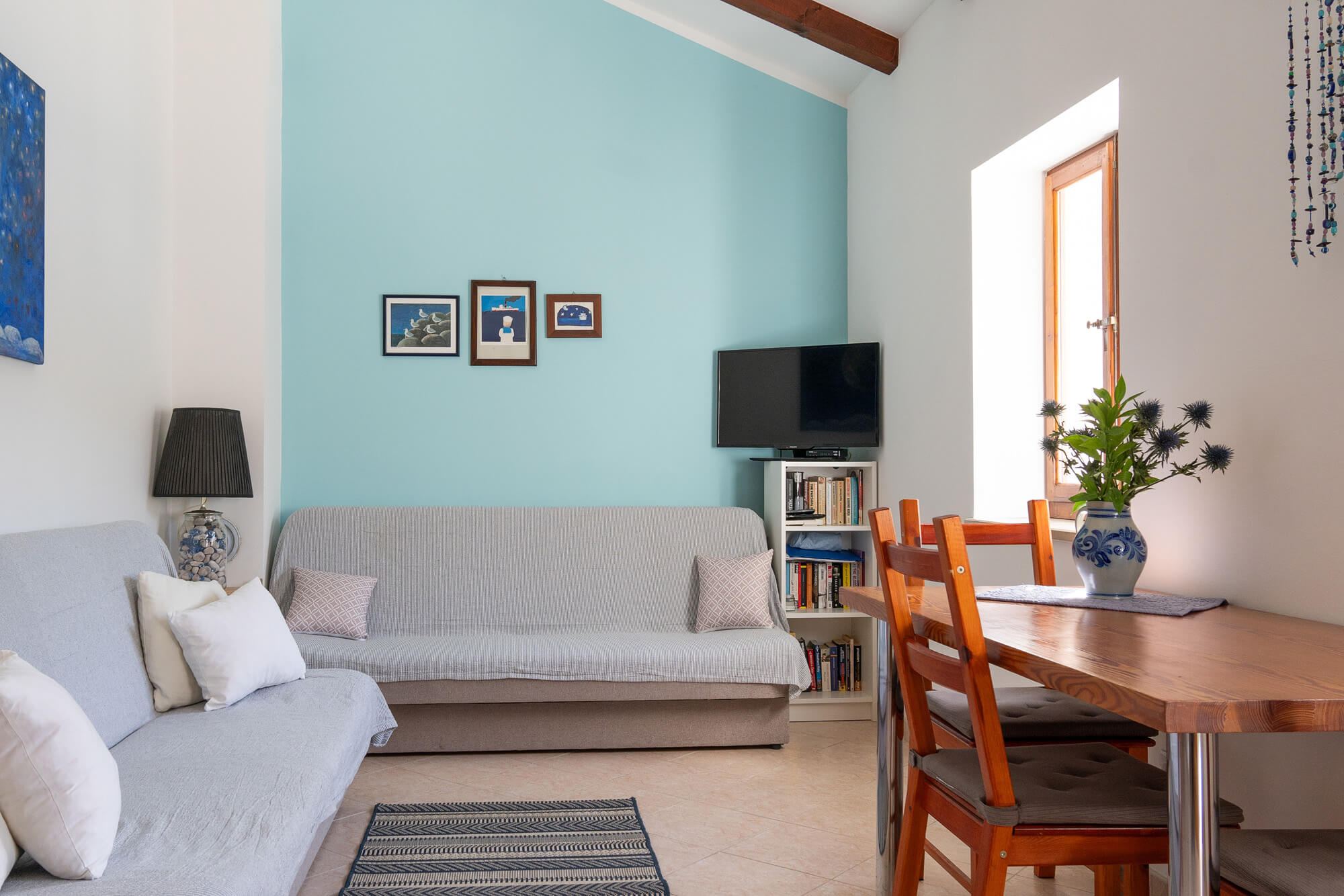
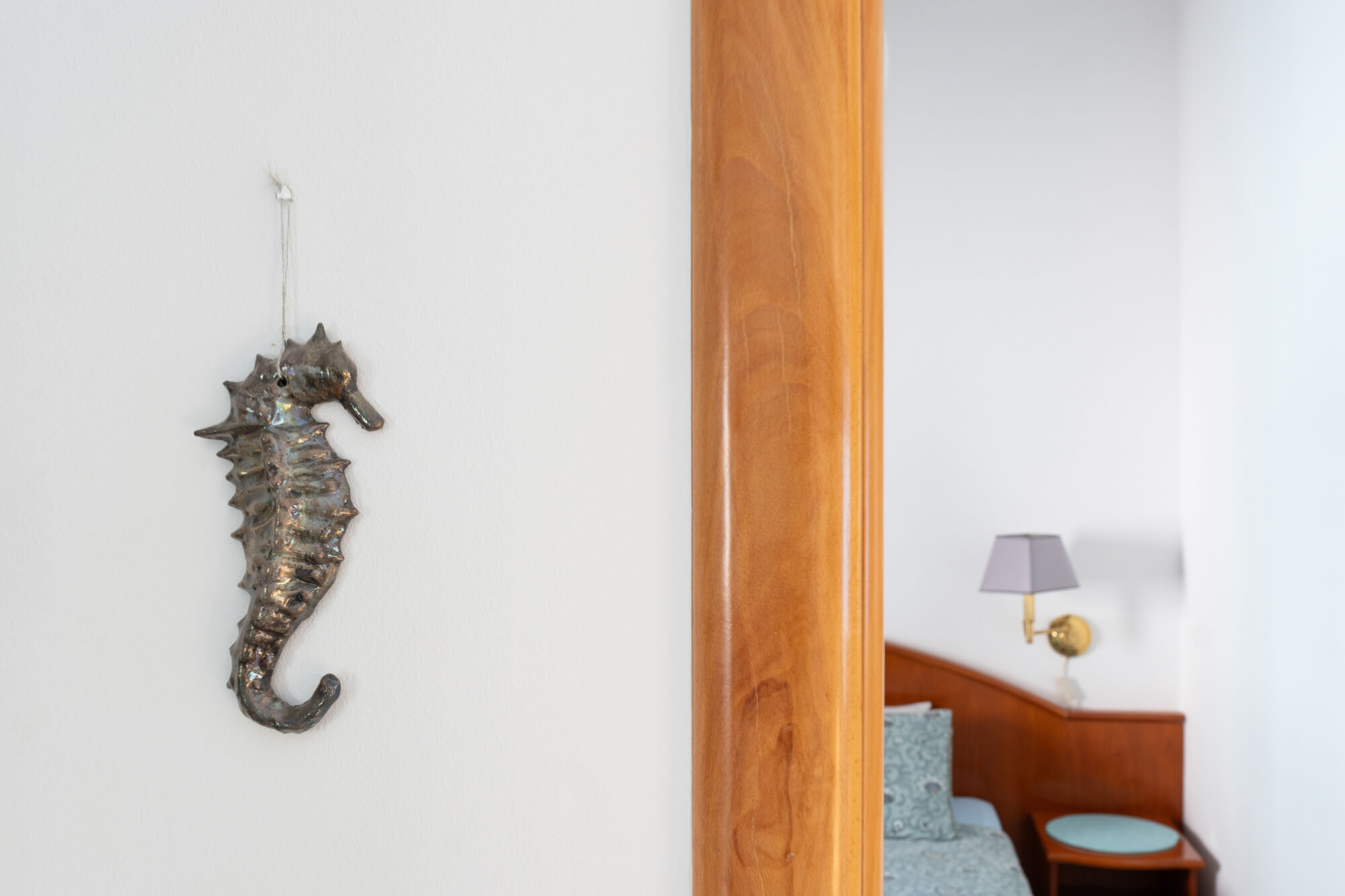
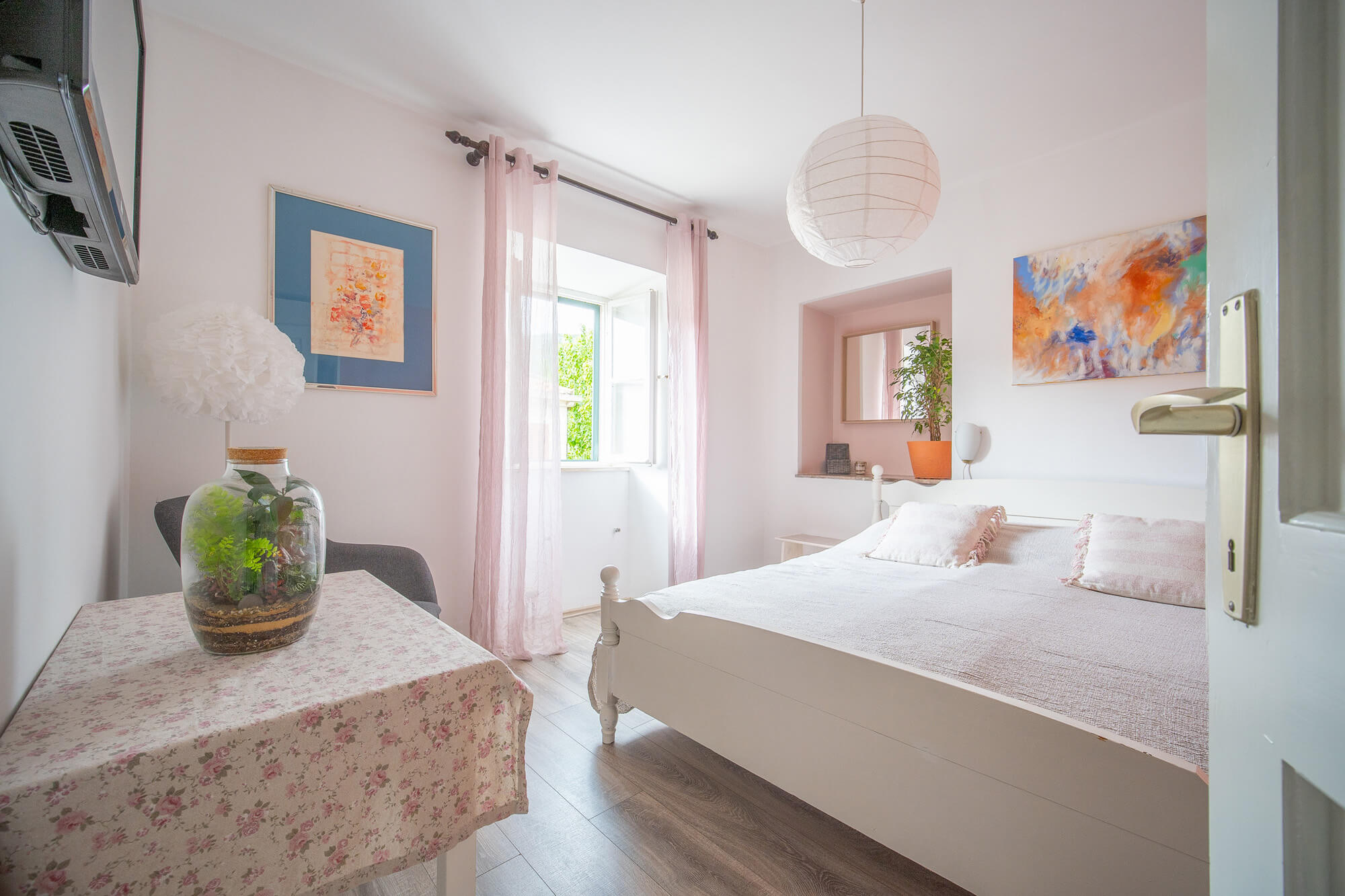
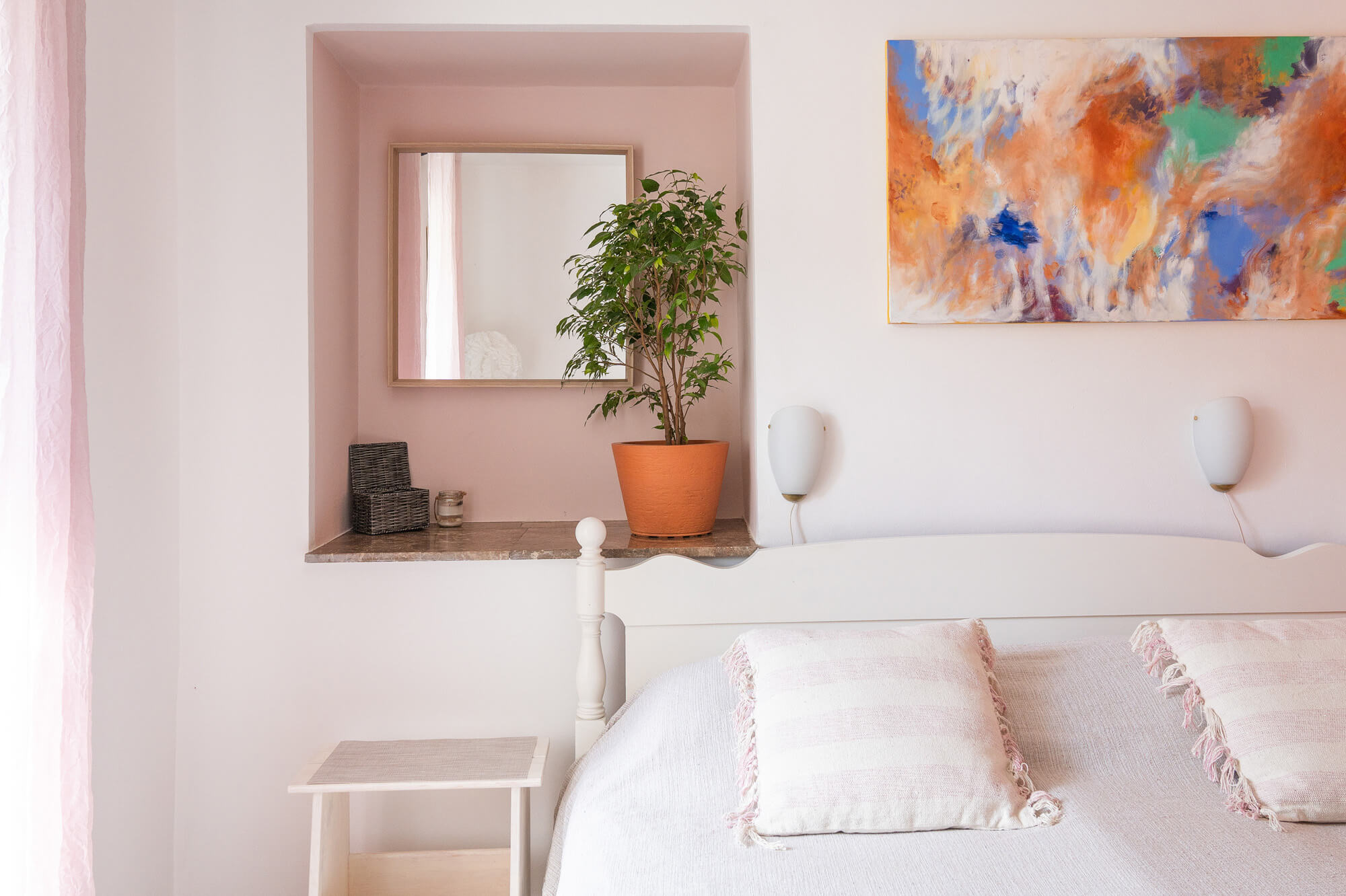
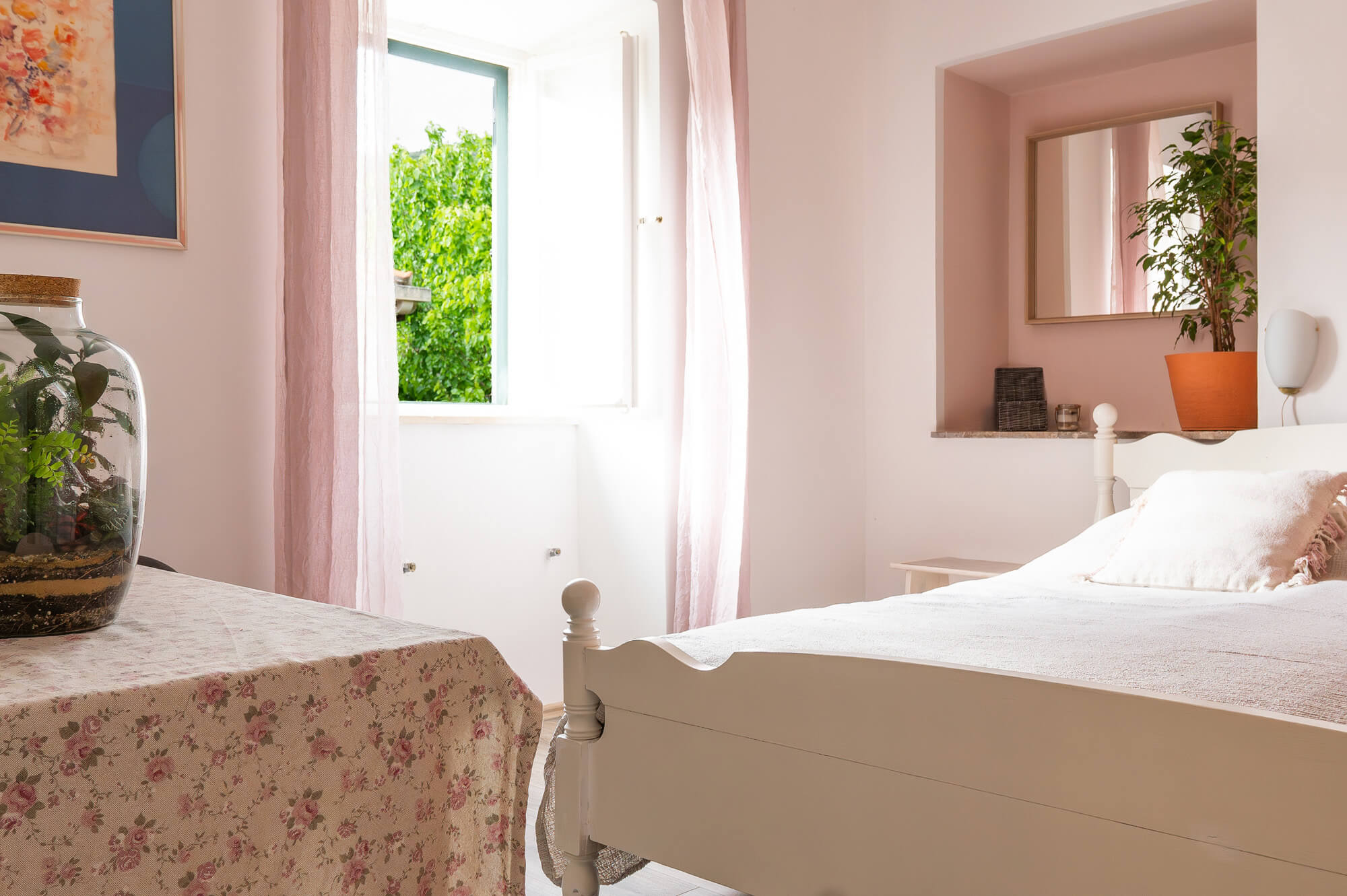
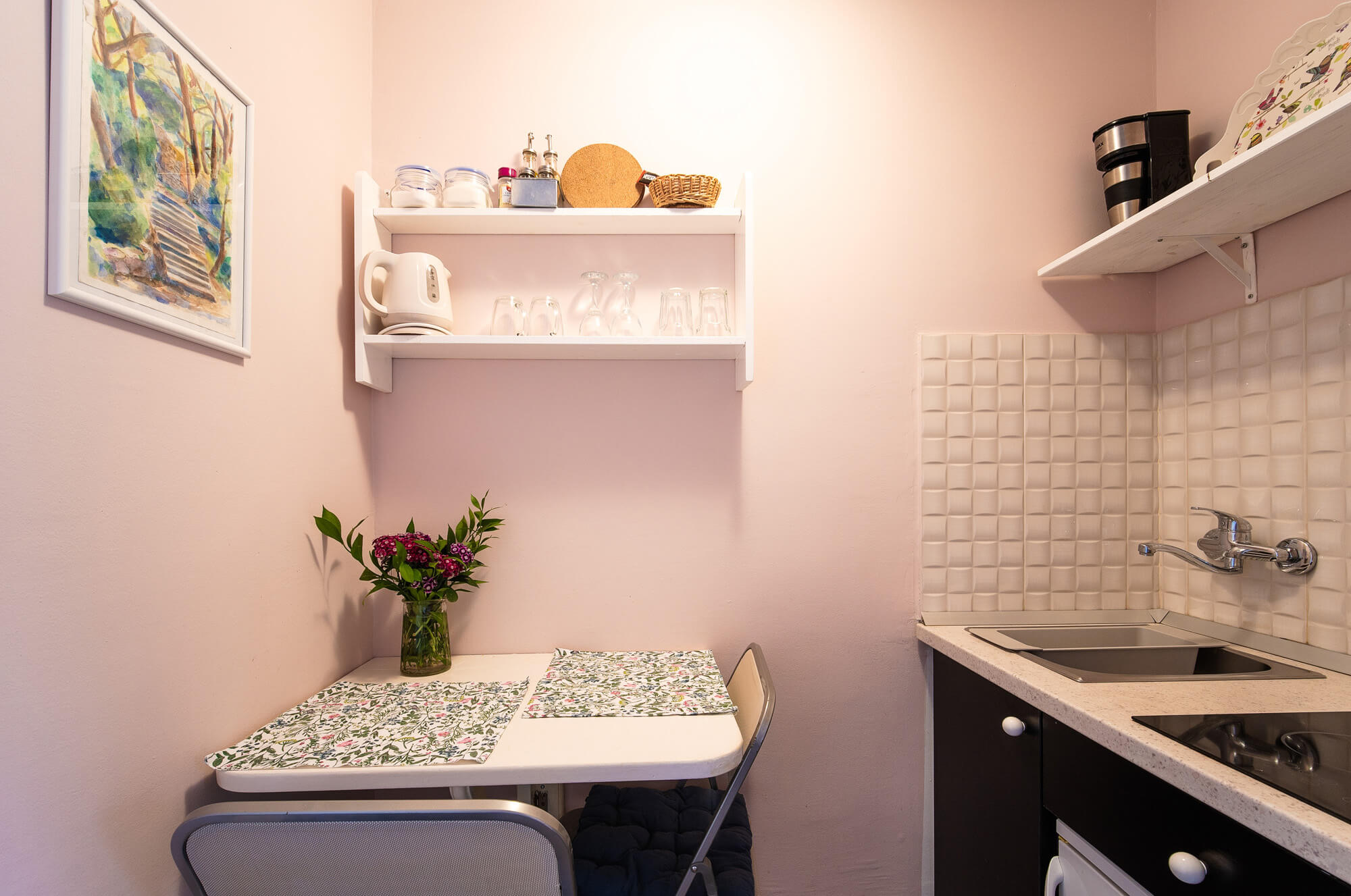
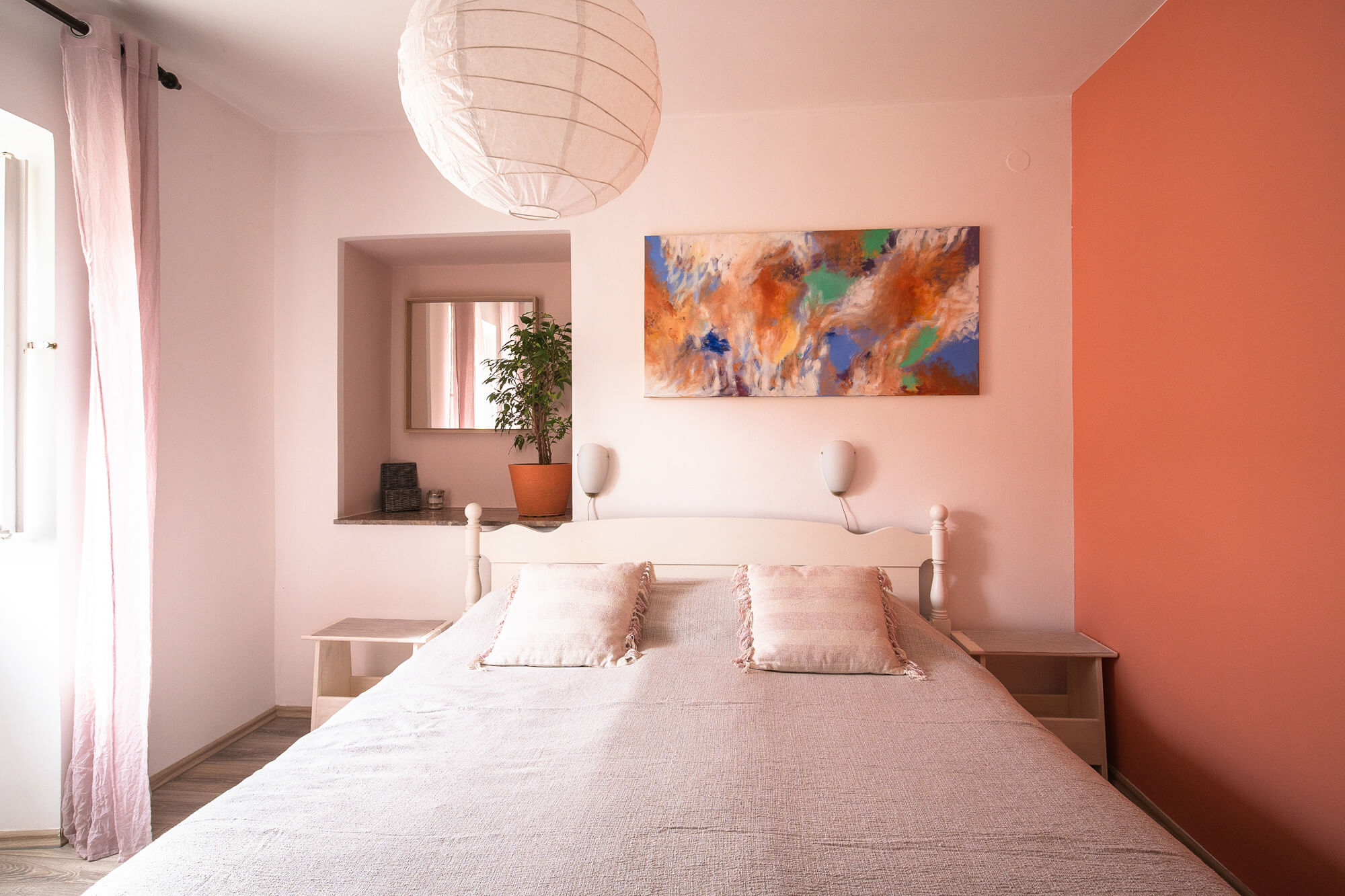
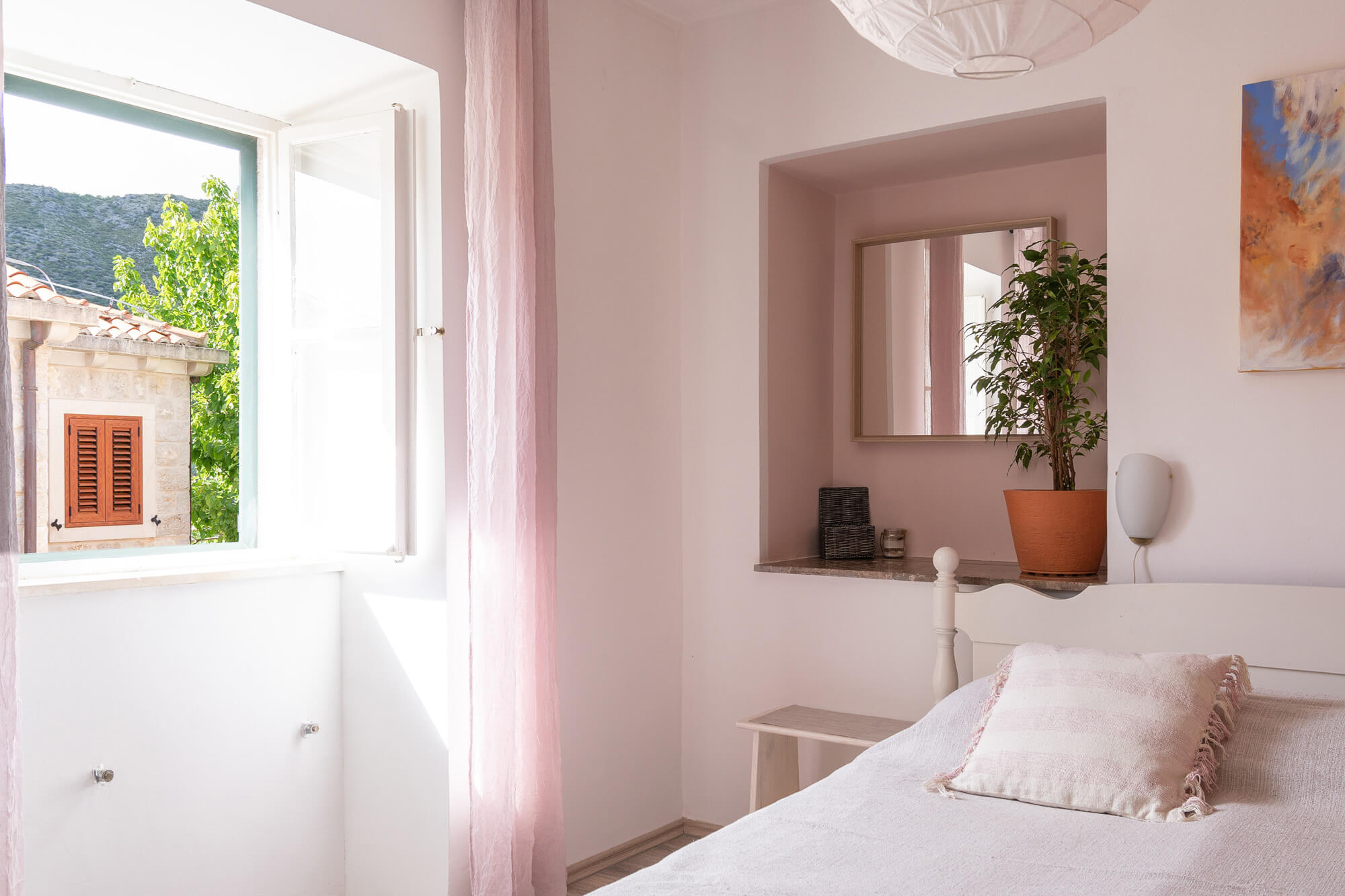
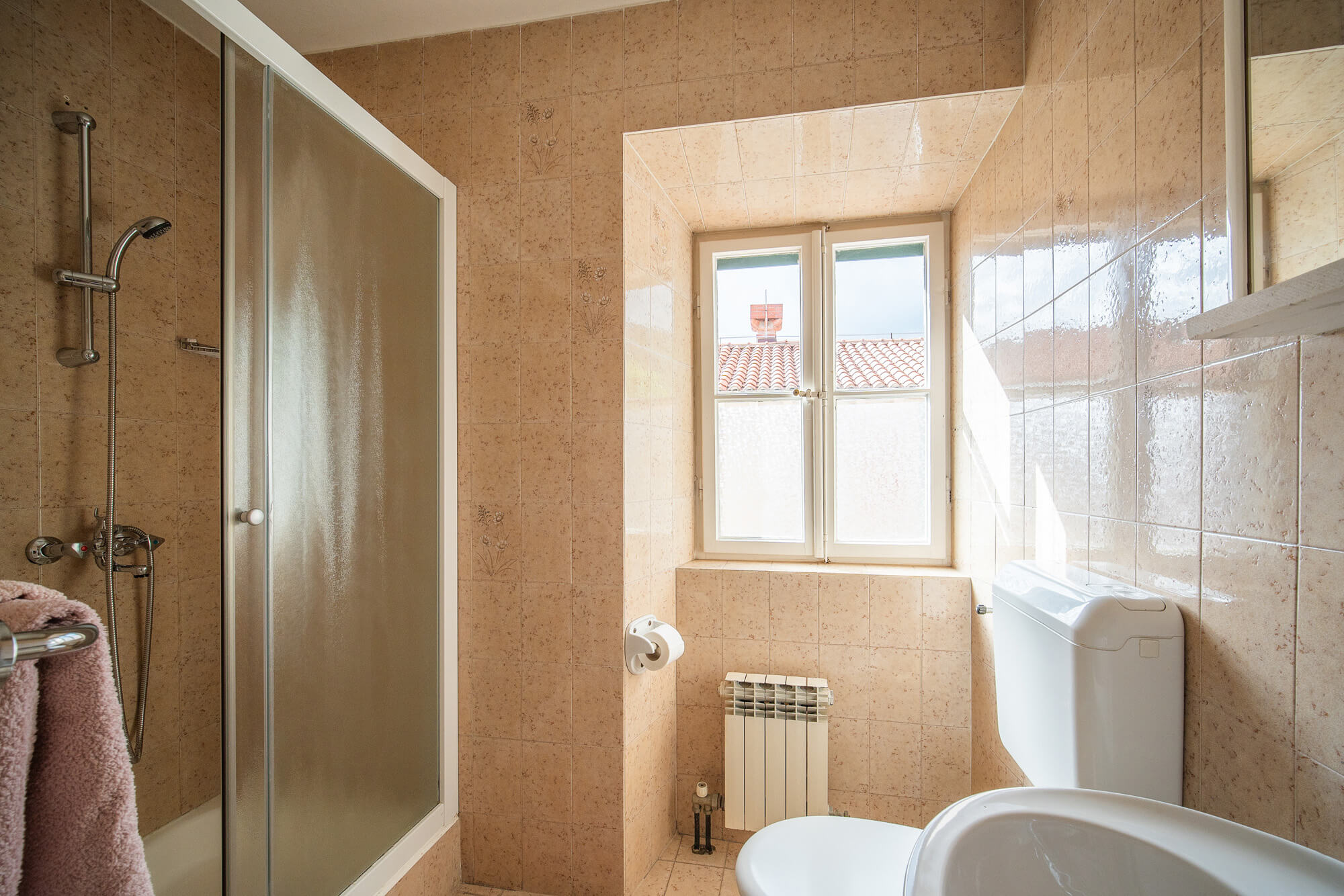
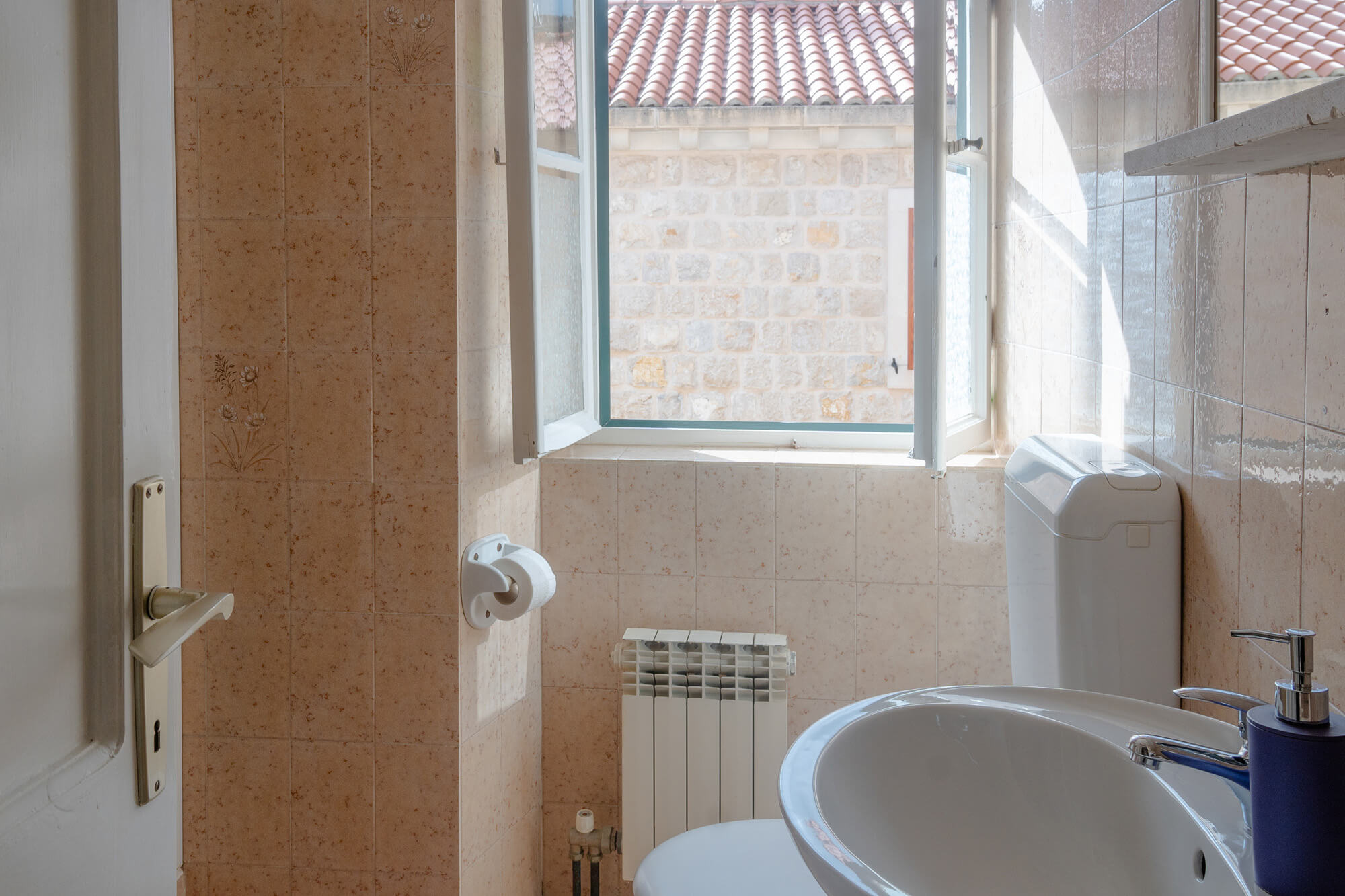
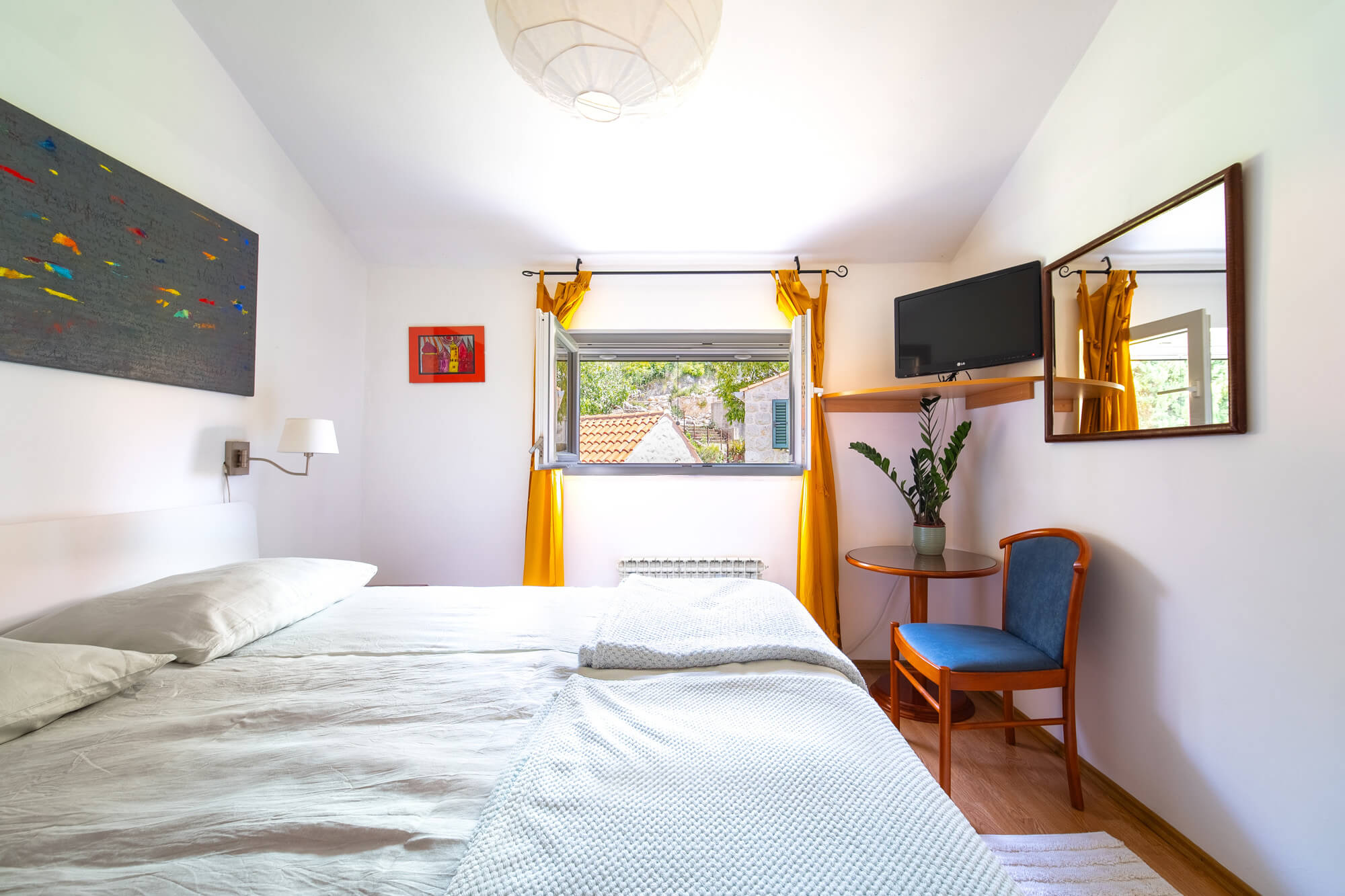
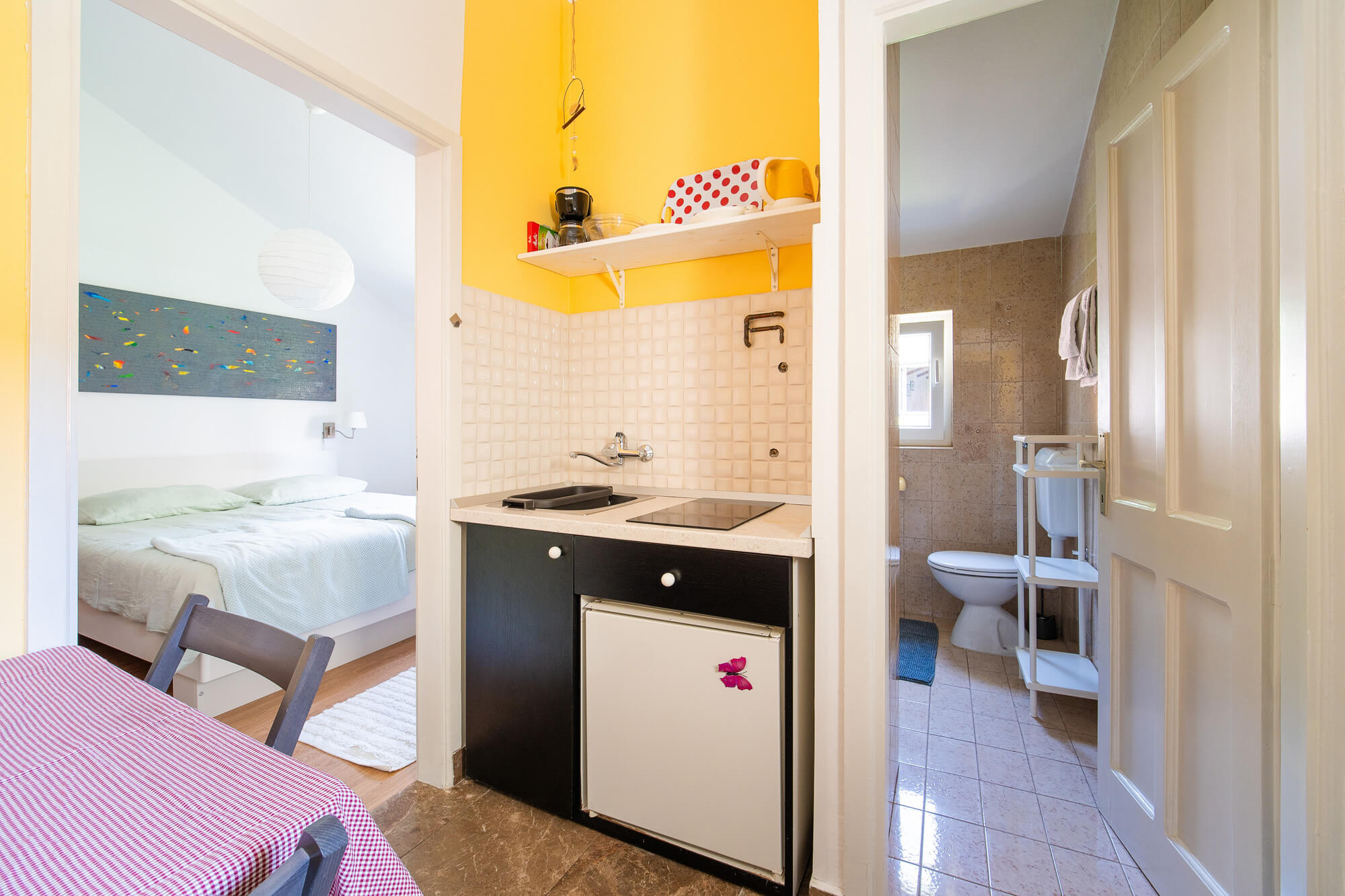
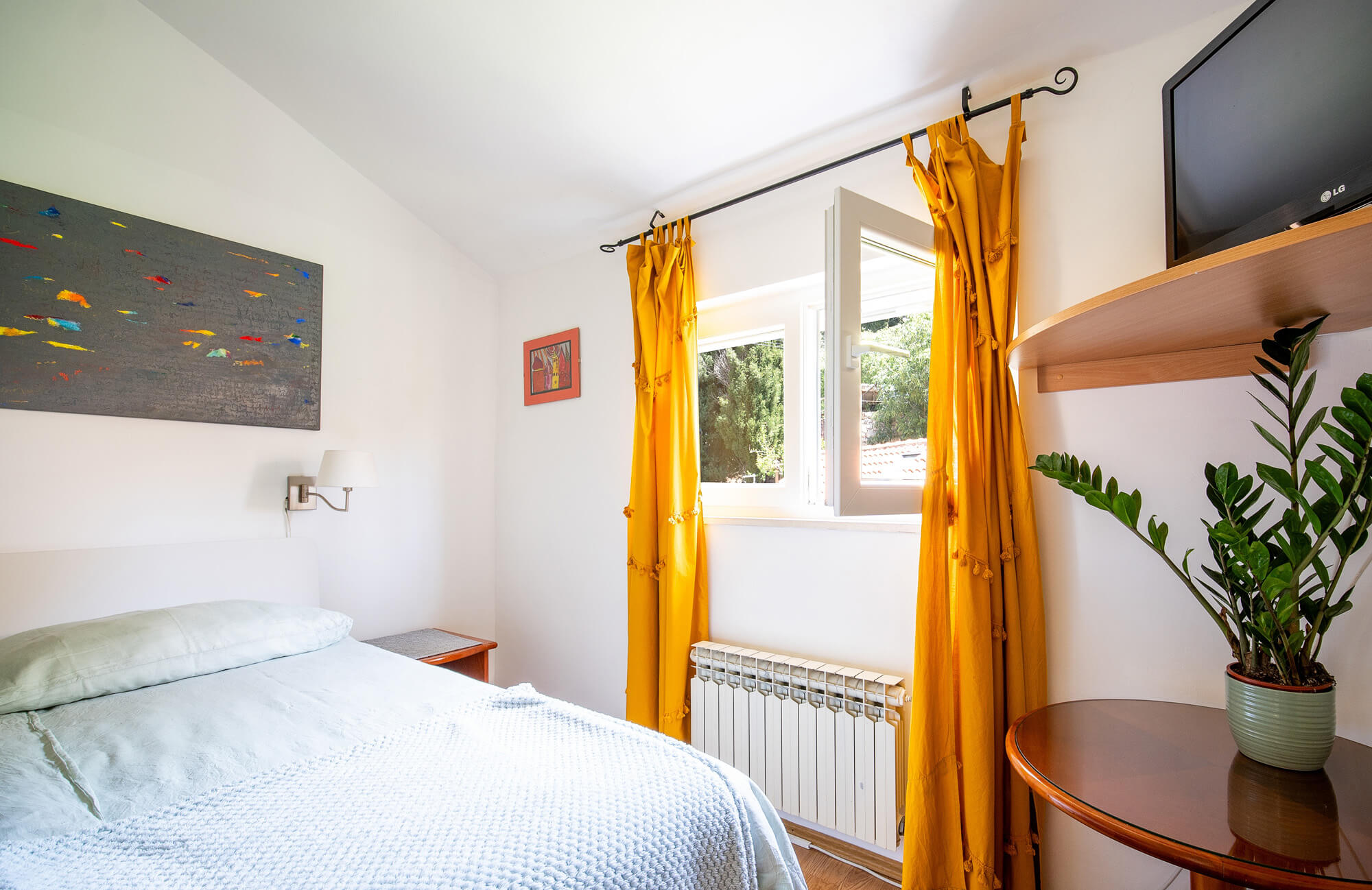
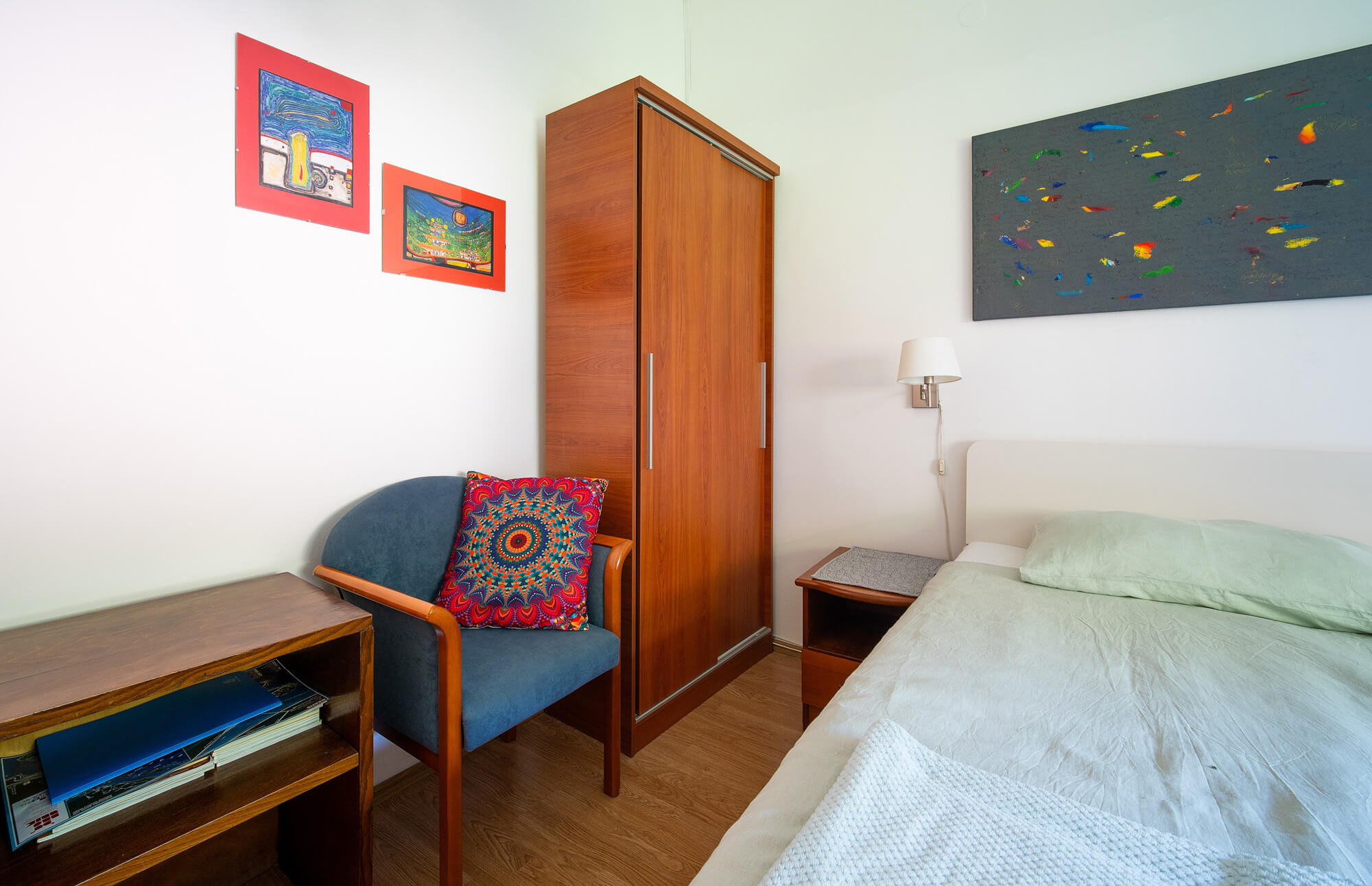
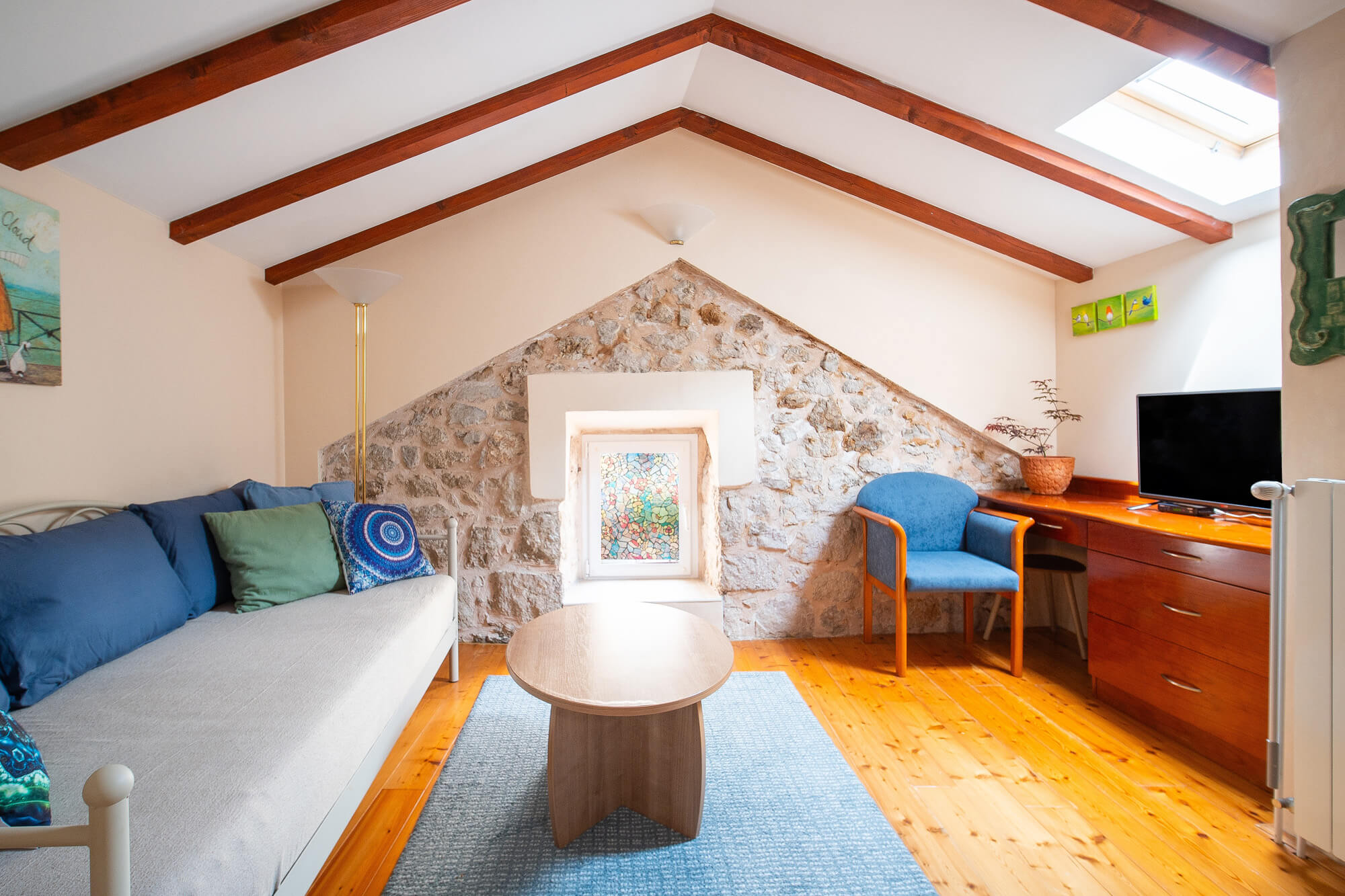
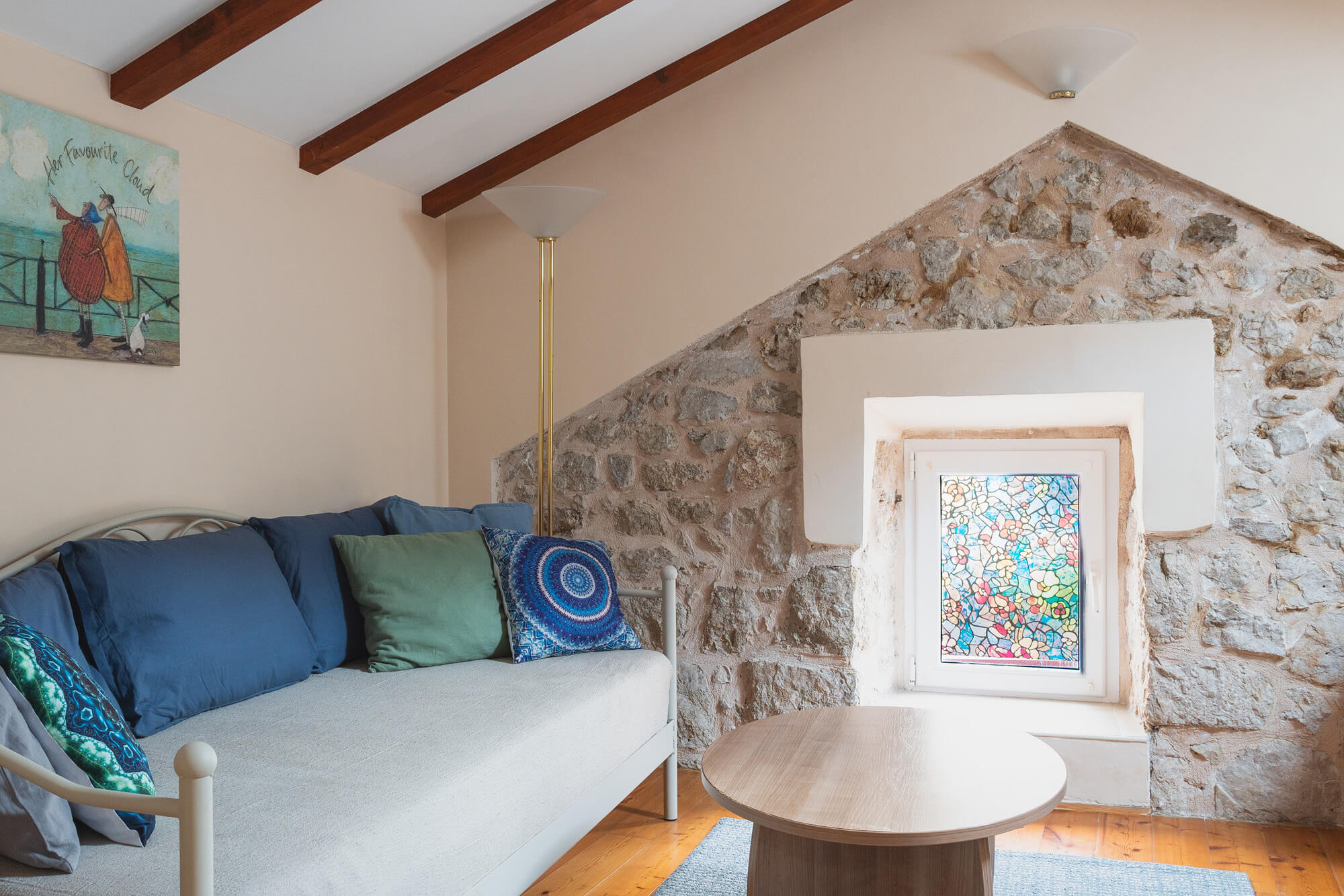
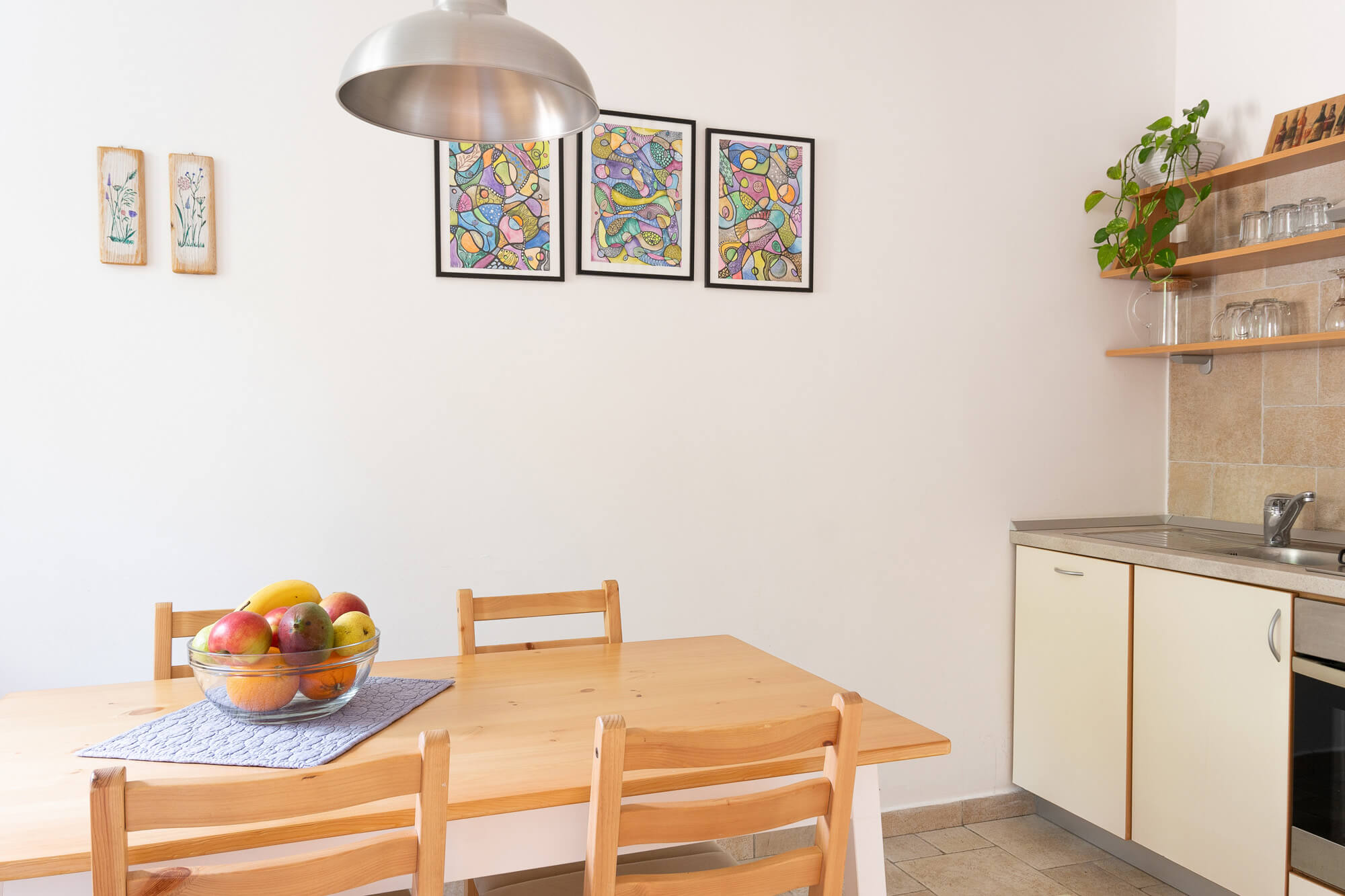
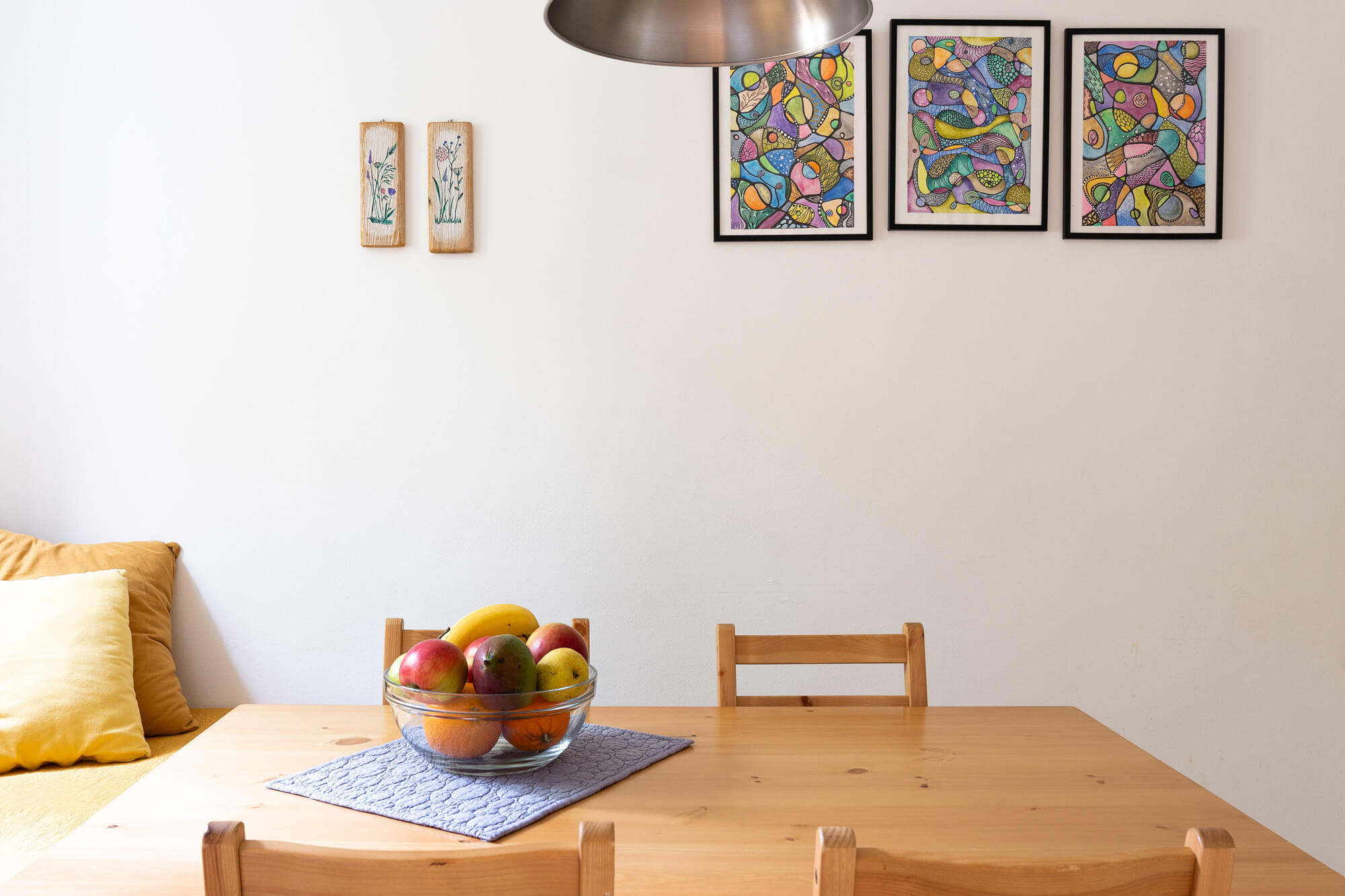
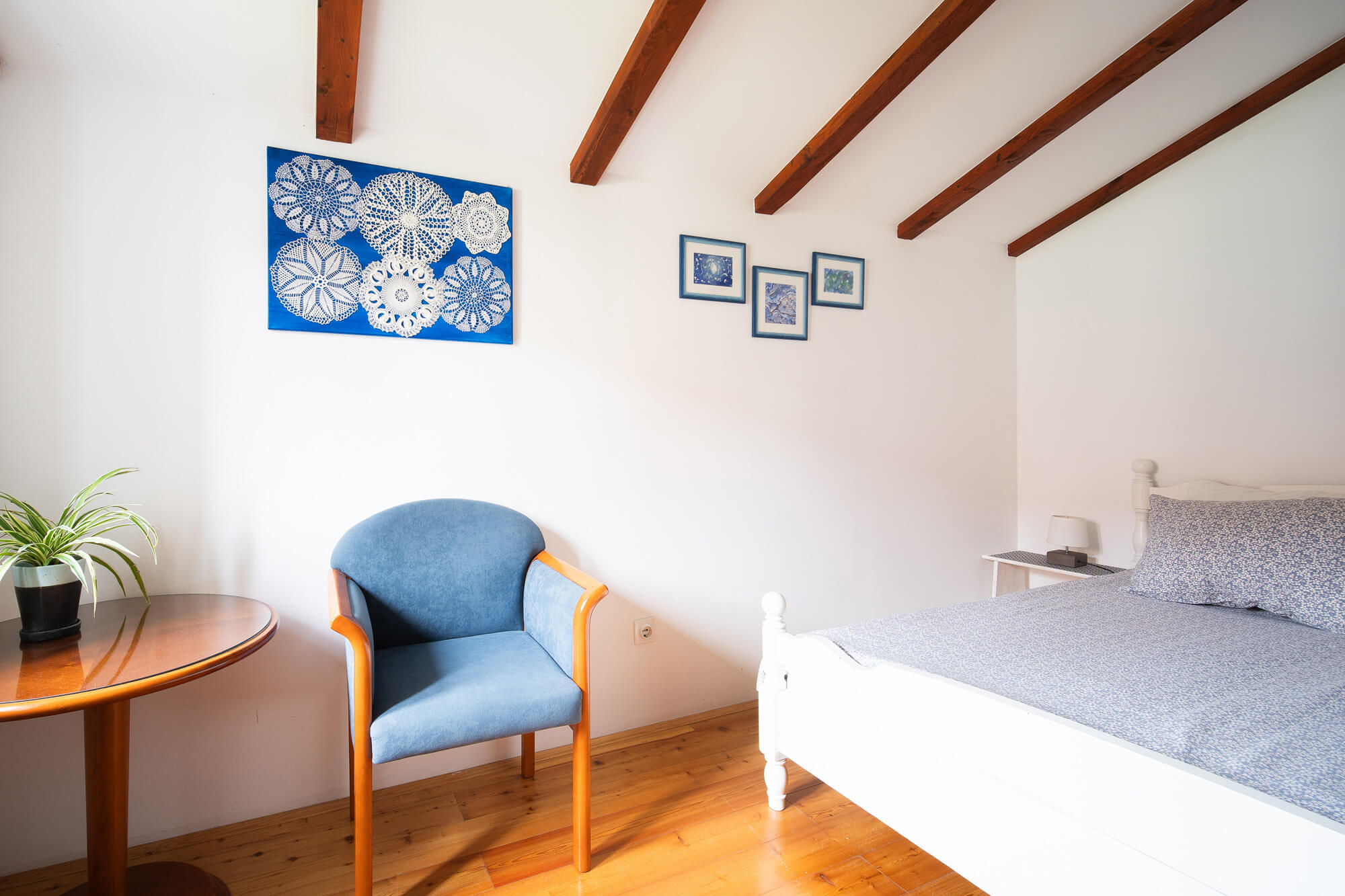
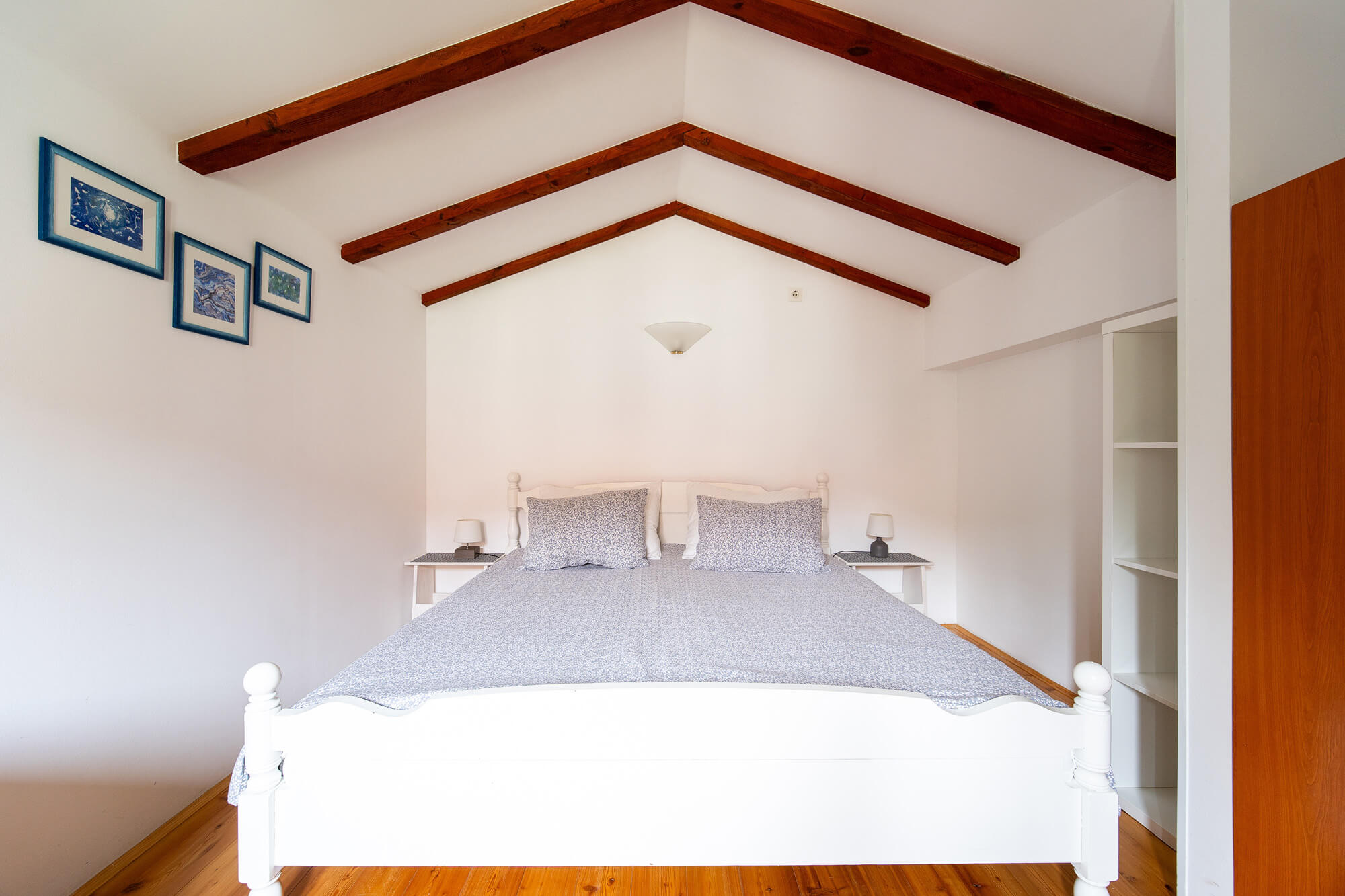
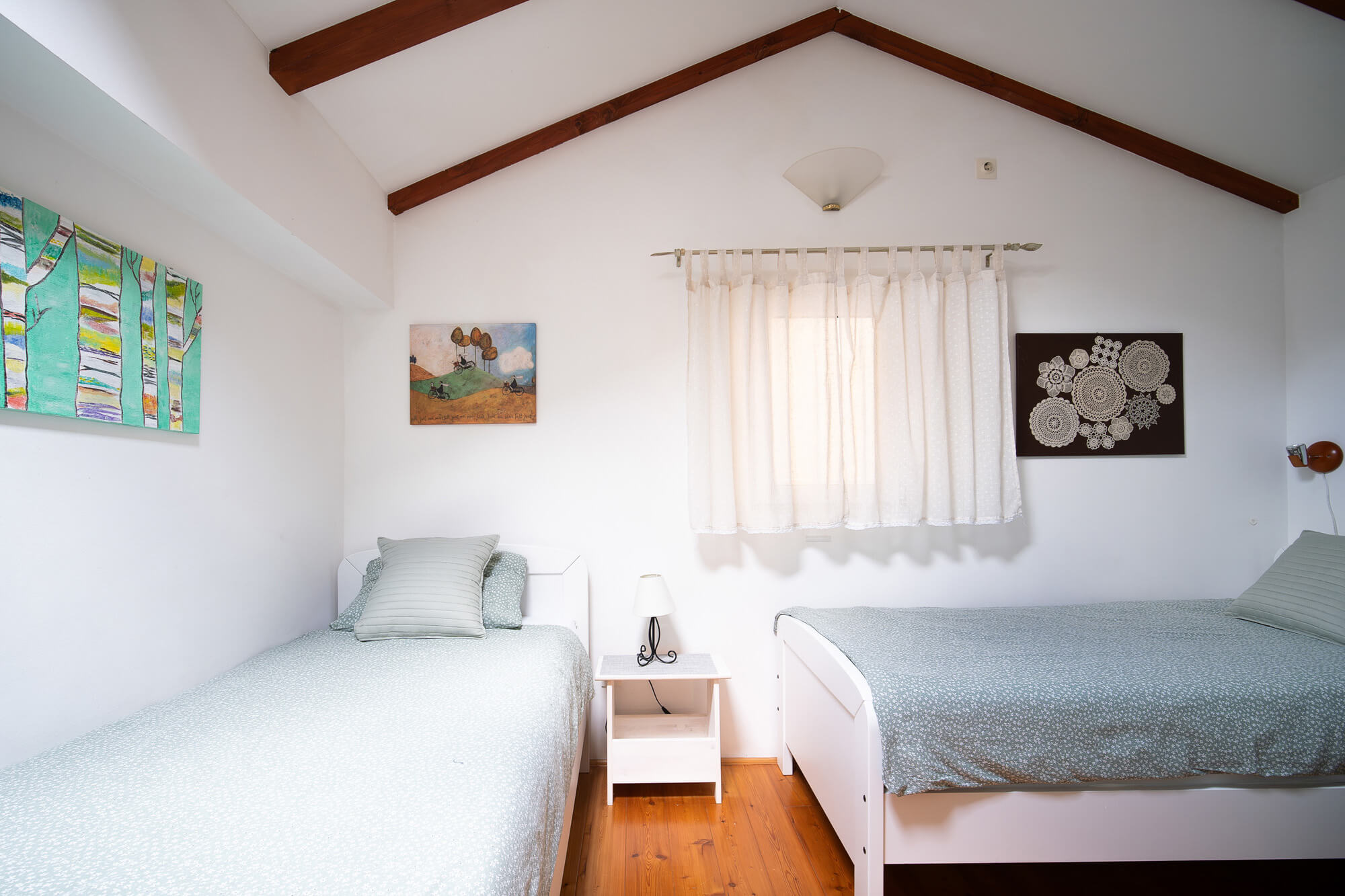
We offer you 3 different types of accomodation. If you’re more into the blue sea or beautiful green view, we have something for you.
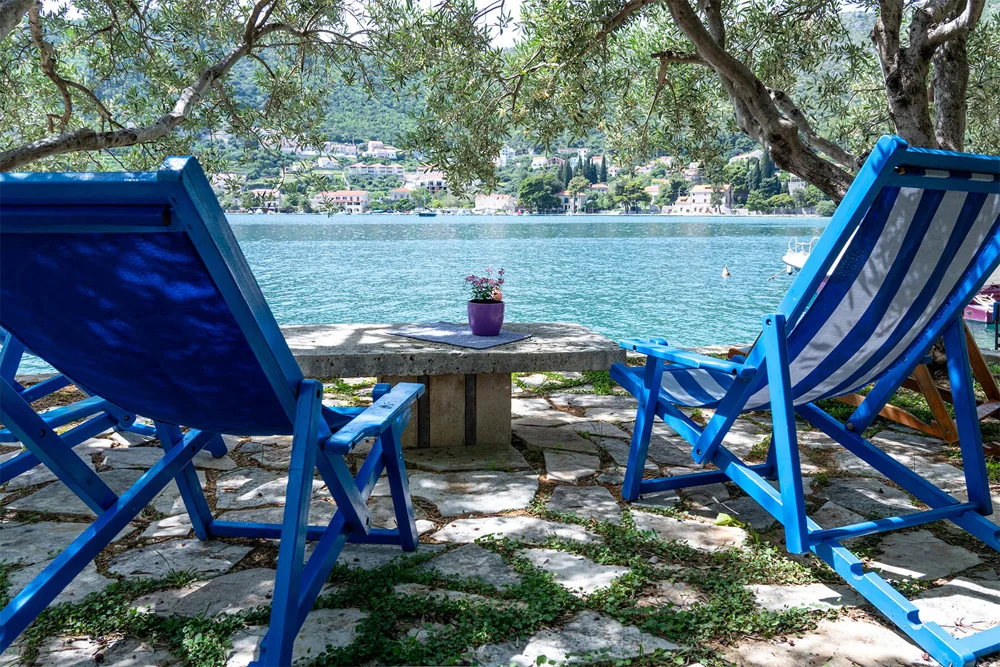
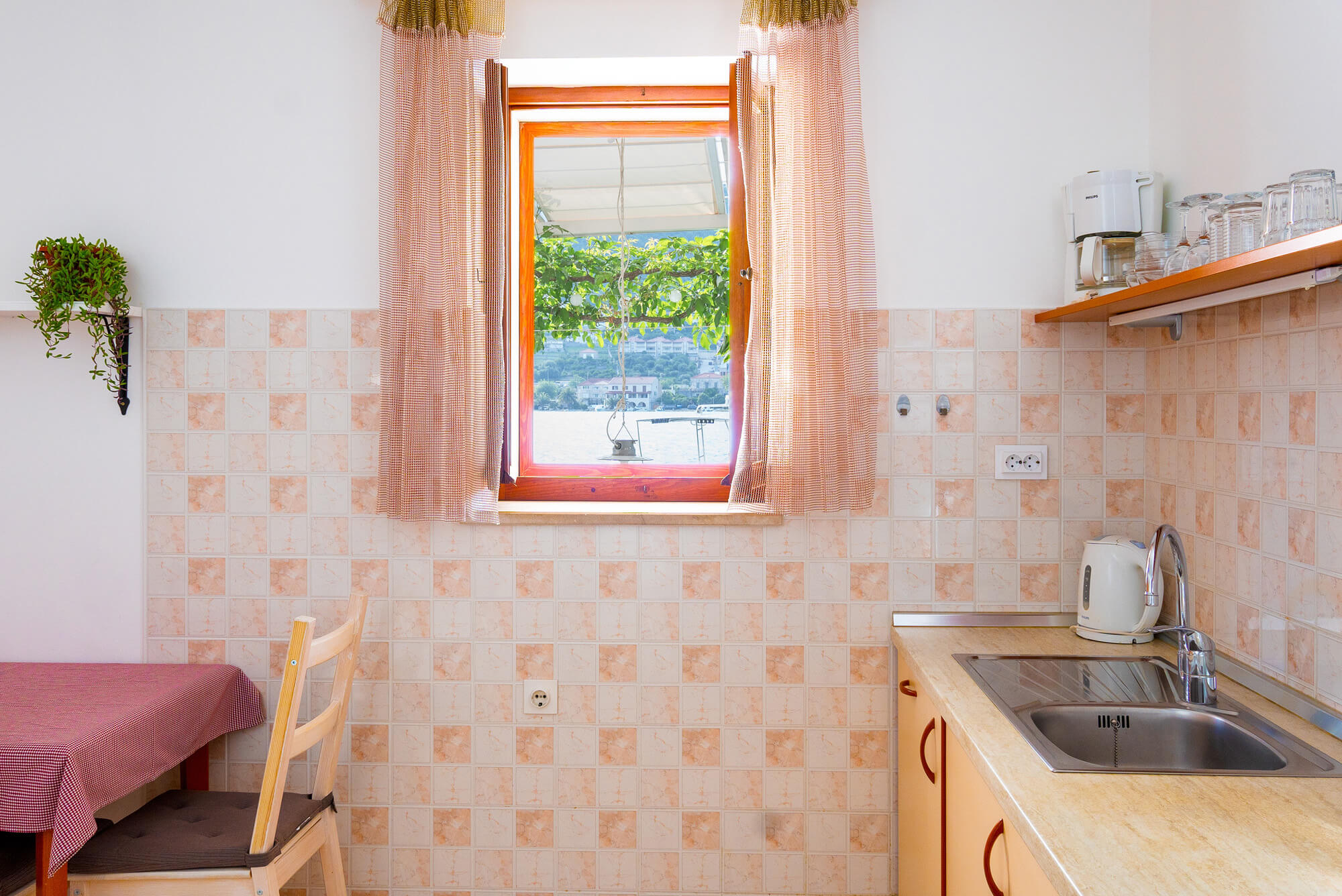
SeaHouse consists of 2 apartments: SeaHouse 1 (ground floor) and SeaHouse 2 (1st floor).
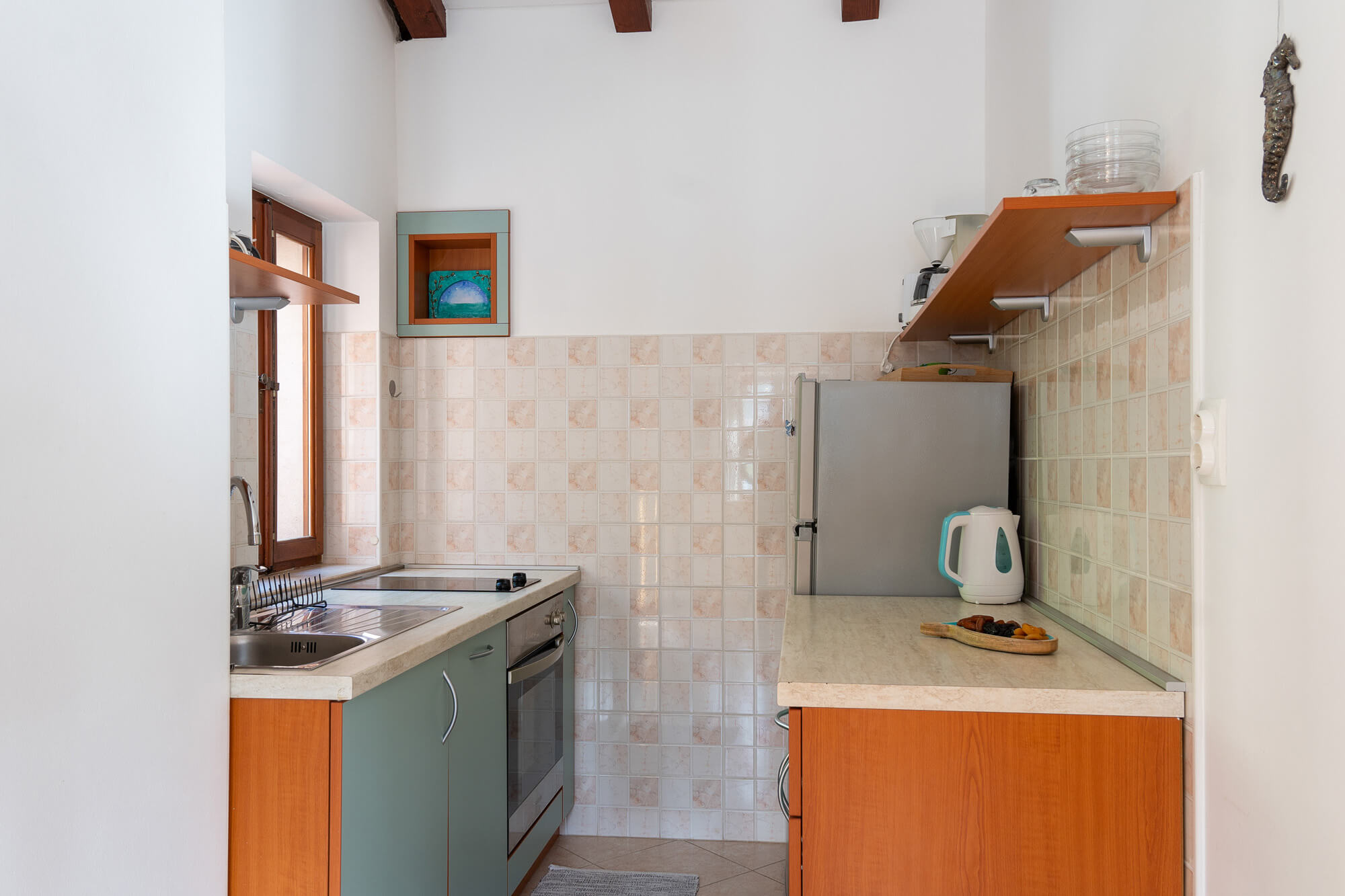
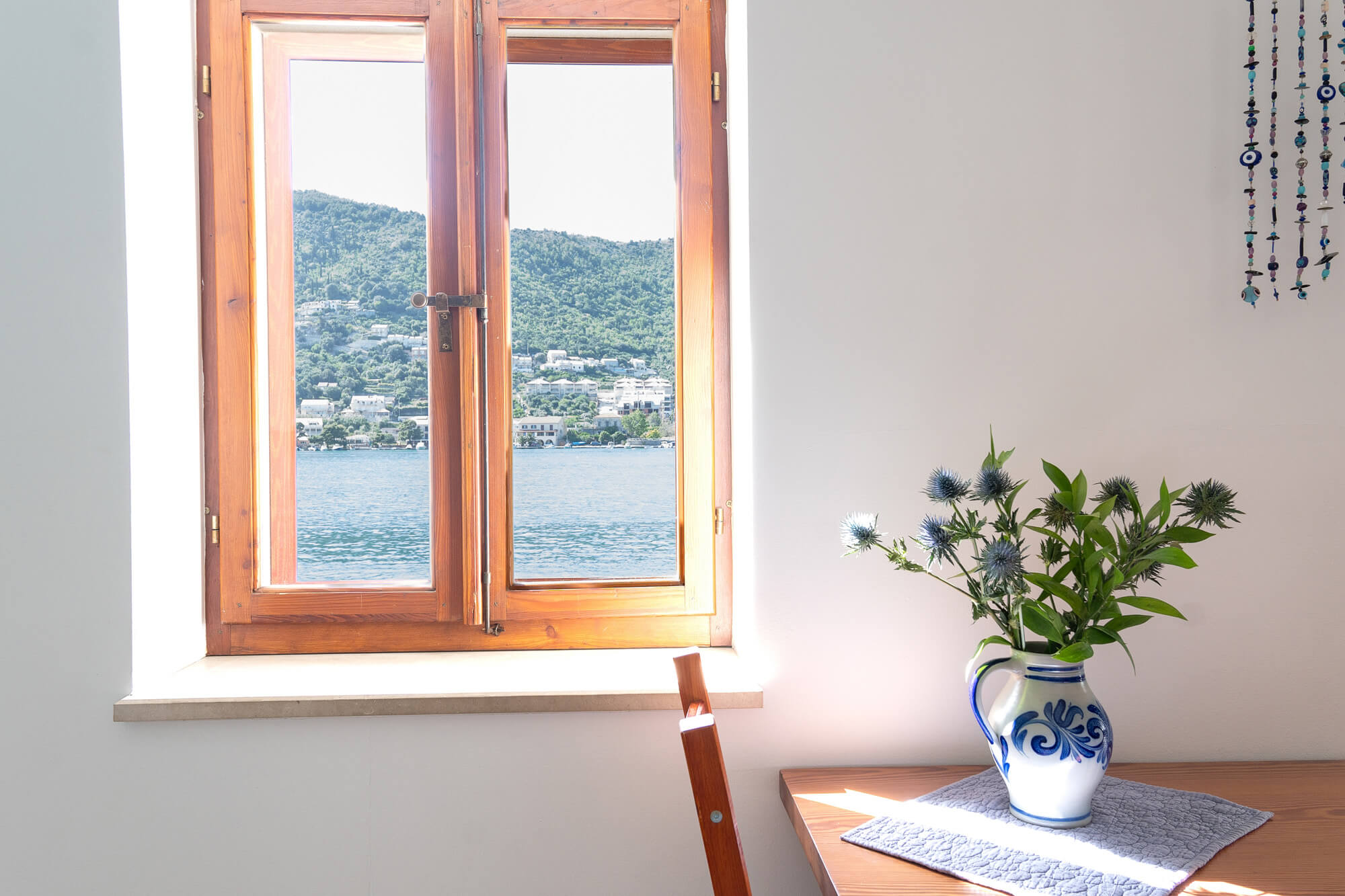
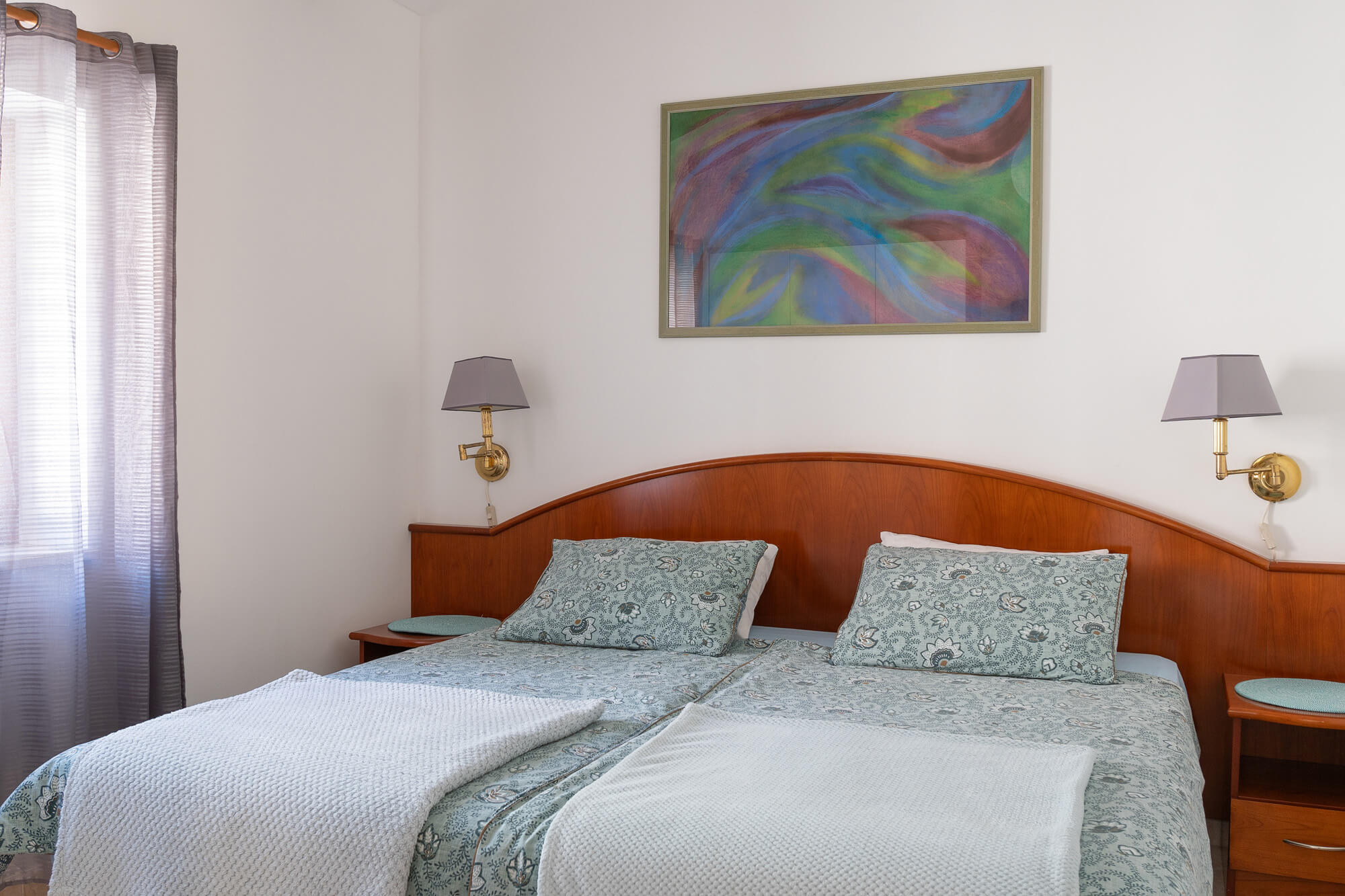
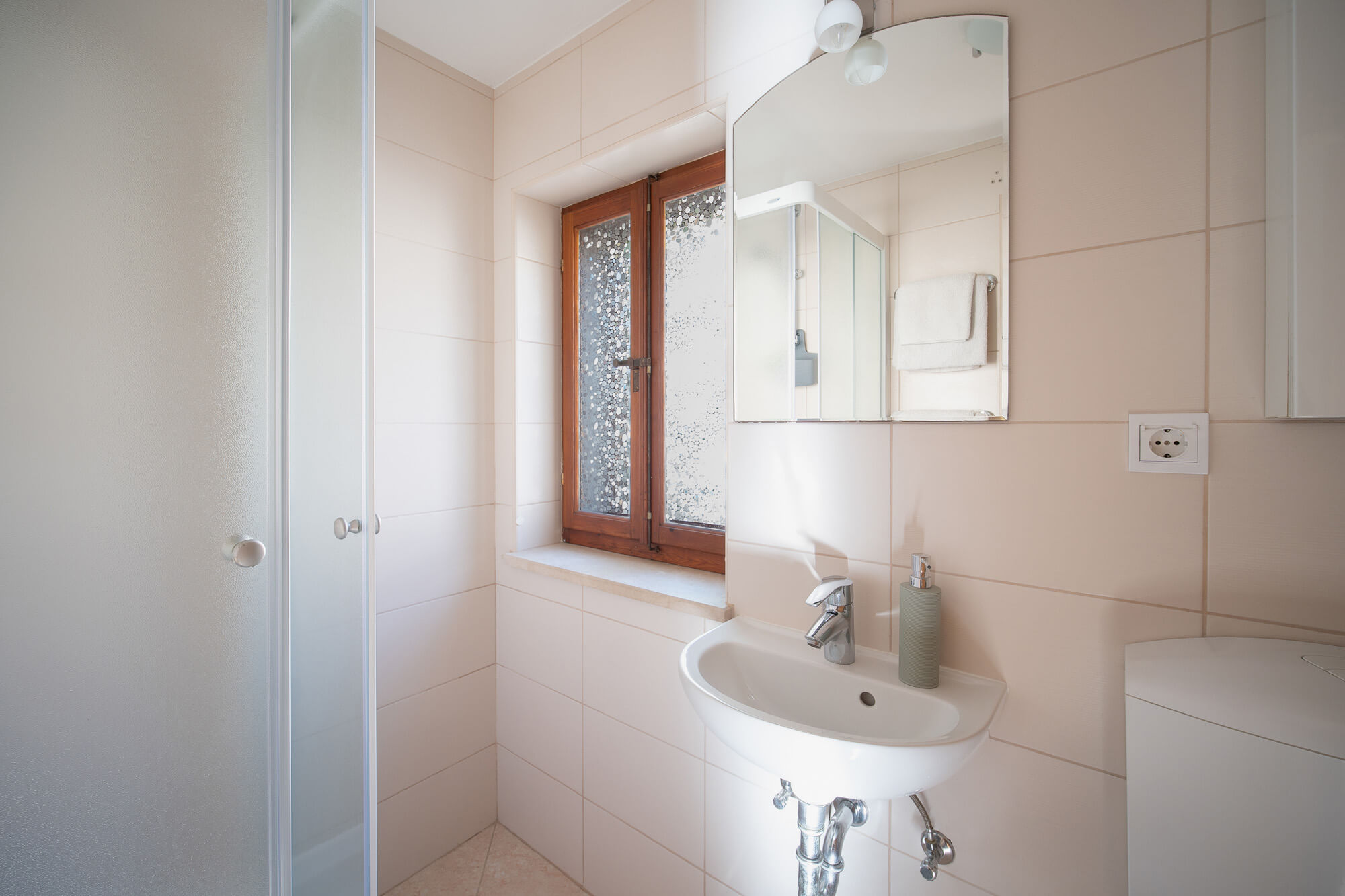
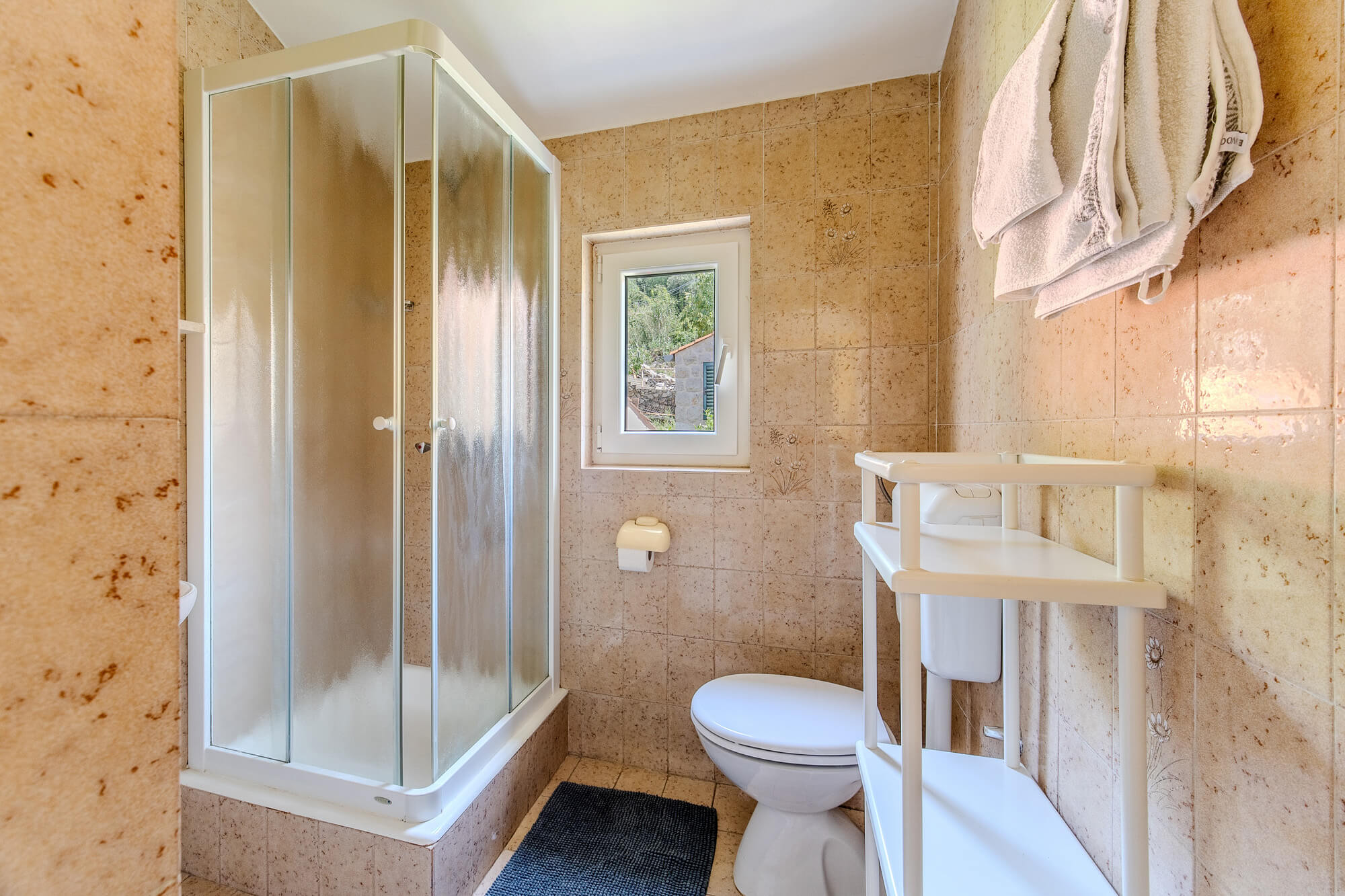
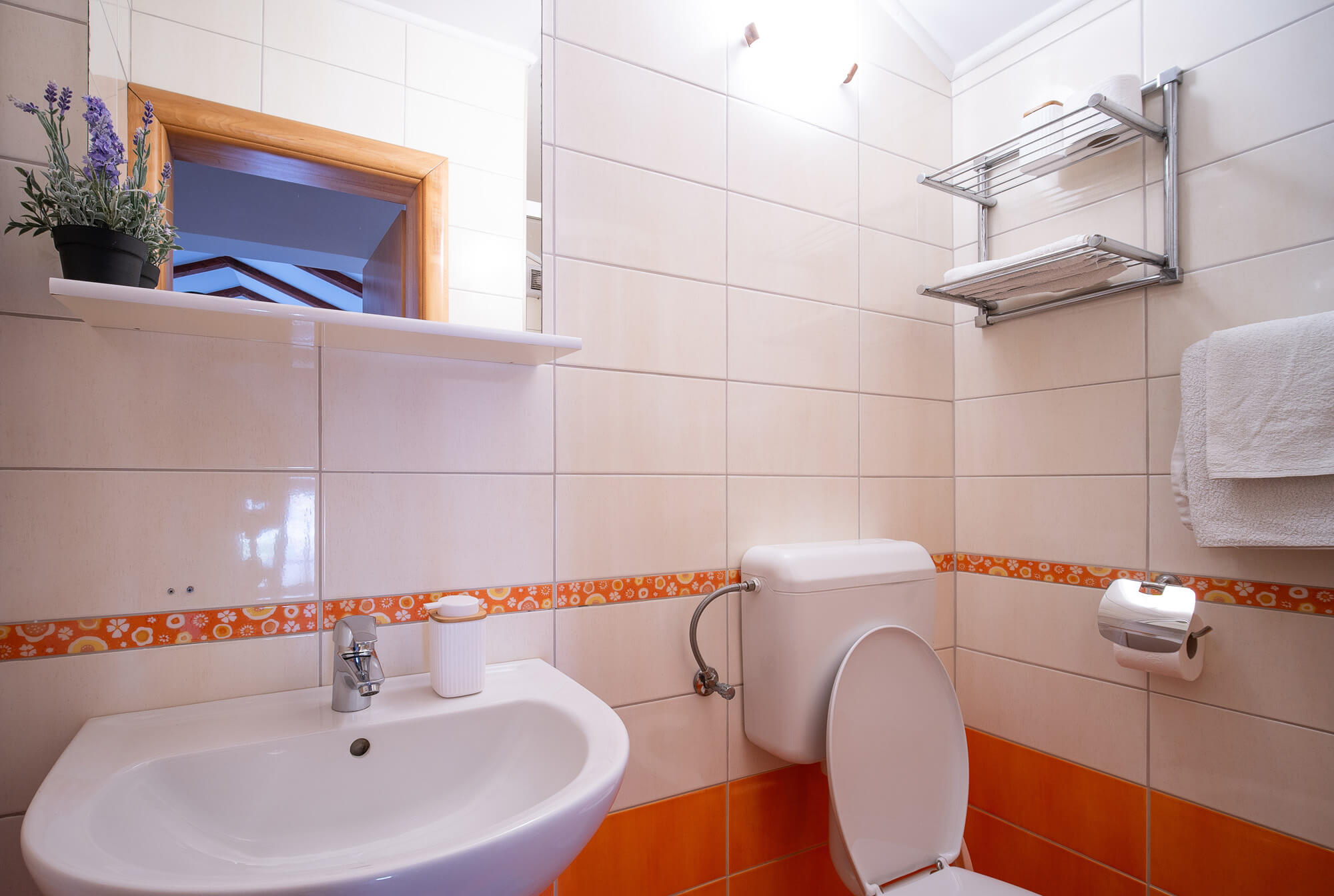
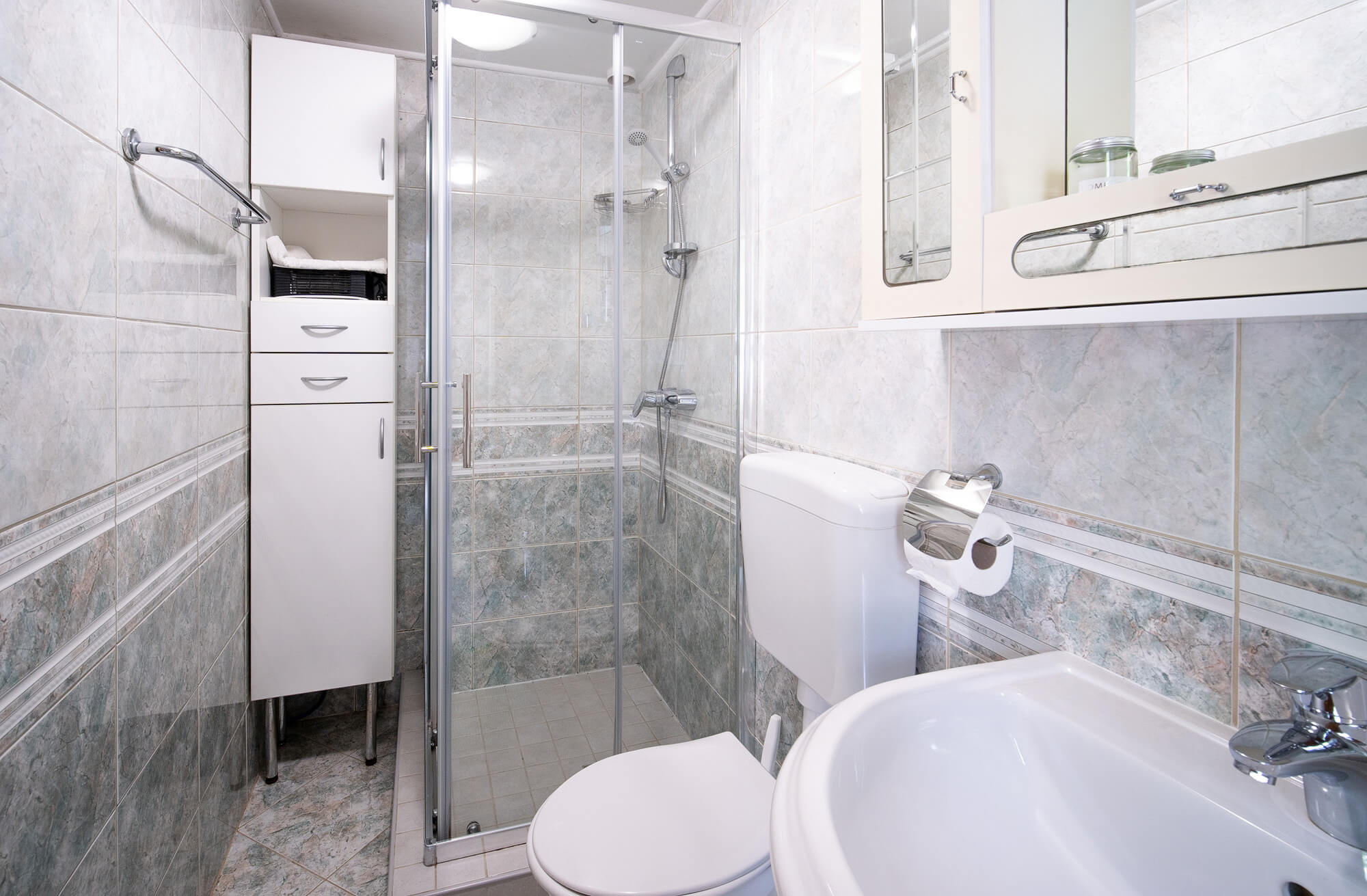
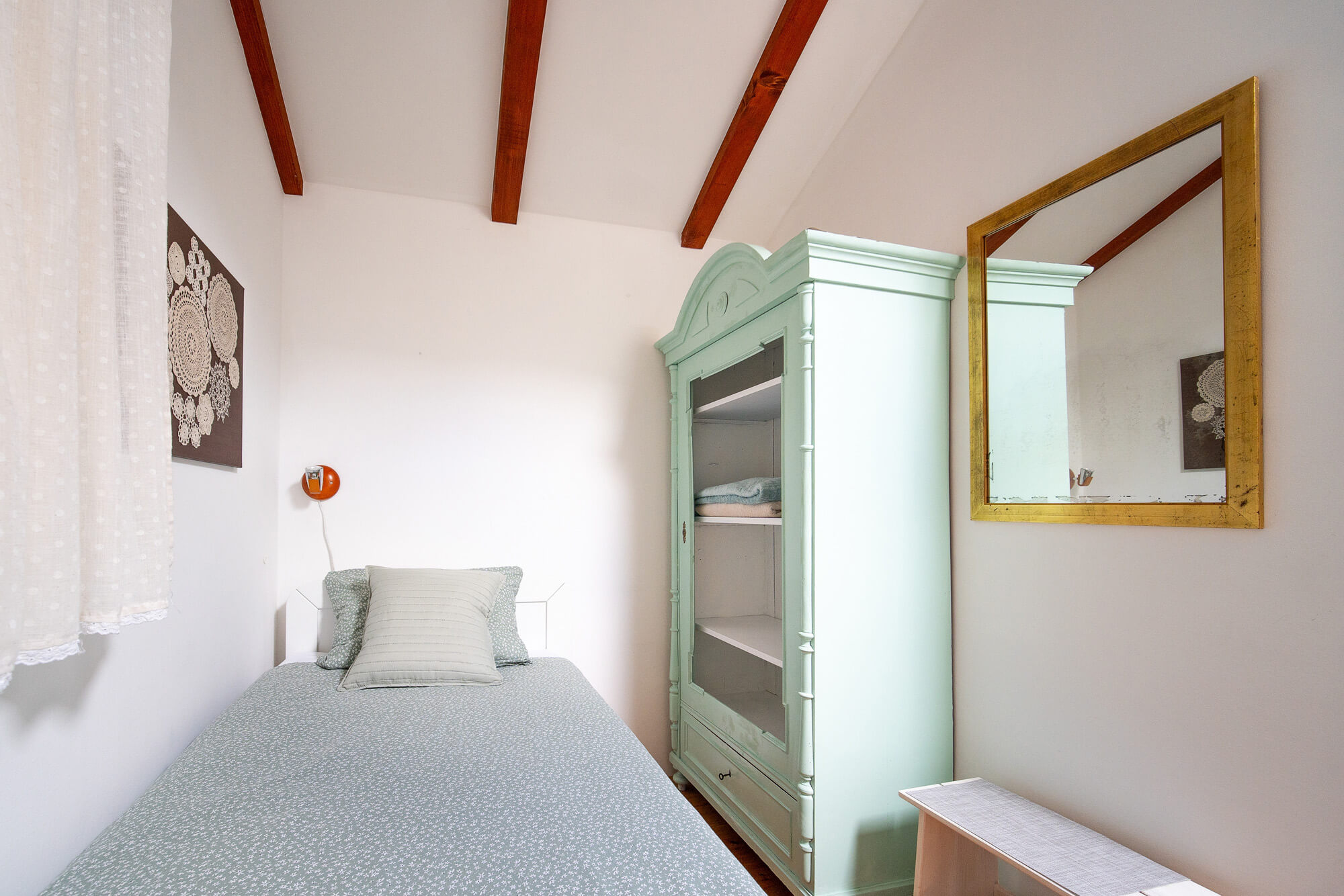
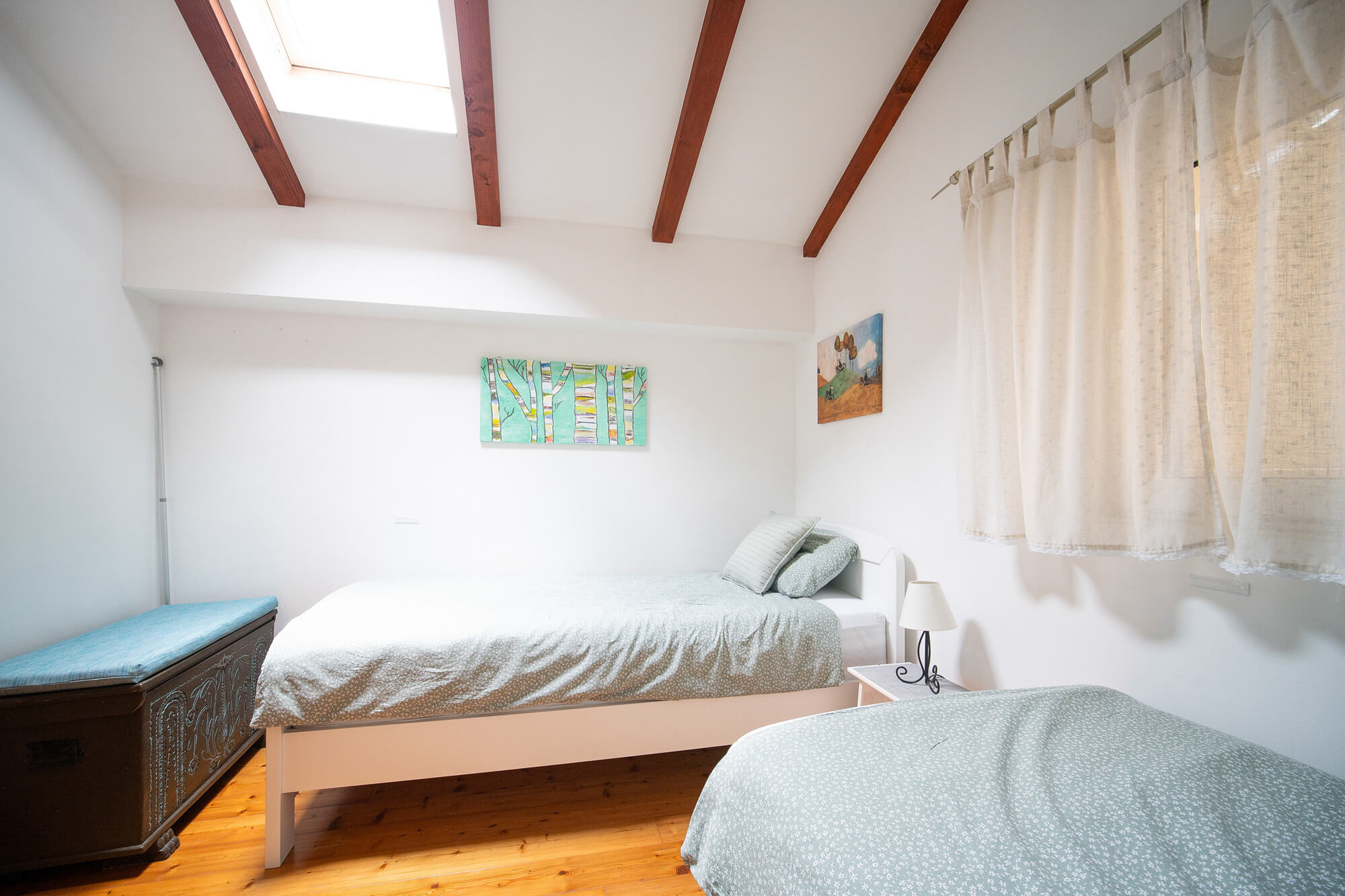
Each apartment has a bedroom, a living room, bathroom, kitchen, sea view, and a terrace overlooking the sea.
SeaHouse consists of 2 apartments: SeaHouse 1 (ground floor) and SeaHouse 2 (1st floor).
Each apartment has a bedroom, a living room, bathroom, kitchen, sea view, and a terrace overlooking the sea.
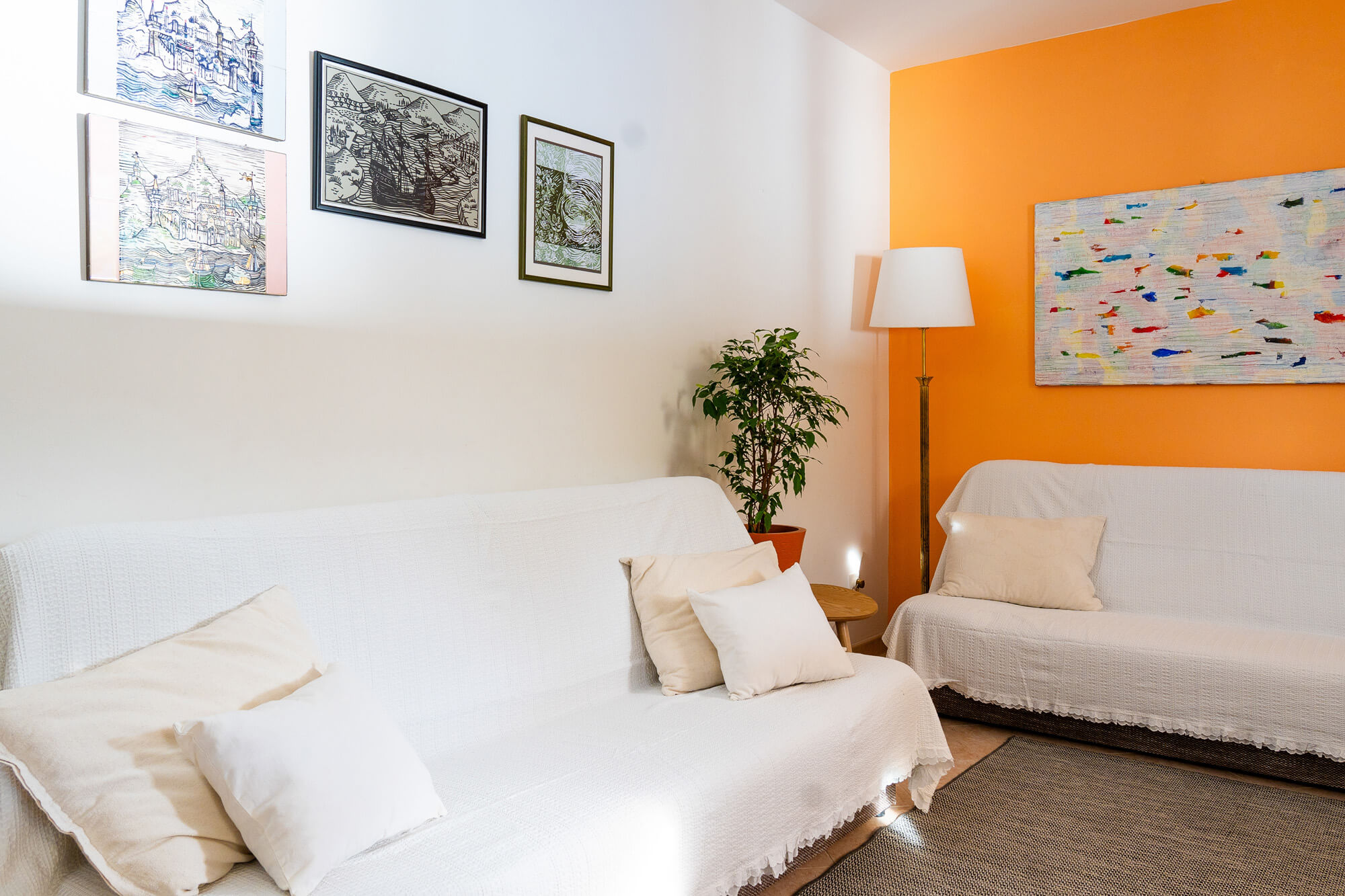
MainHouse consists of 2 lovely apartments: MainHouse 1 and MainHouse 2.
They’re located near the coast, with a lovely garden view and featuring a bedroom, a living room, bathroom, kitchen and if wonderfully decorated.
MainHouse consists of 2 lovely apartments: MainHouse 1 and MainHouse 2.
They’re located near the coast, with a lovely garden view and featuring a bedroom, a living room, bathroom, kitchen and if wonderfully decorated.
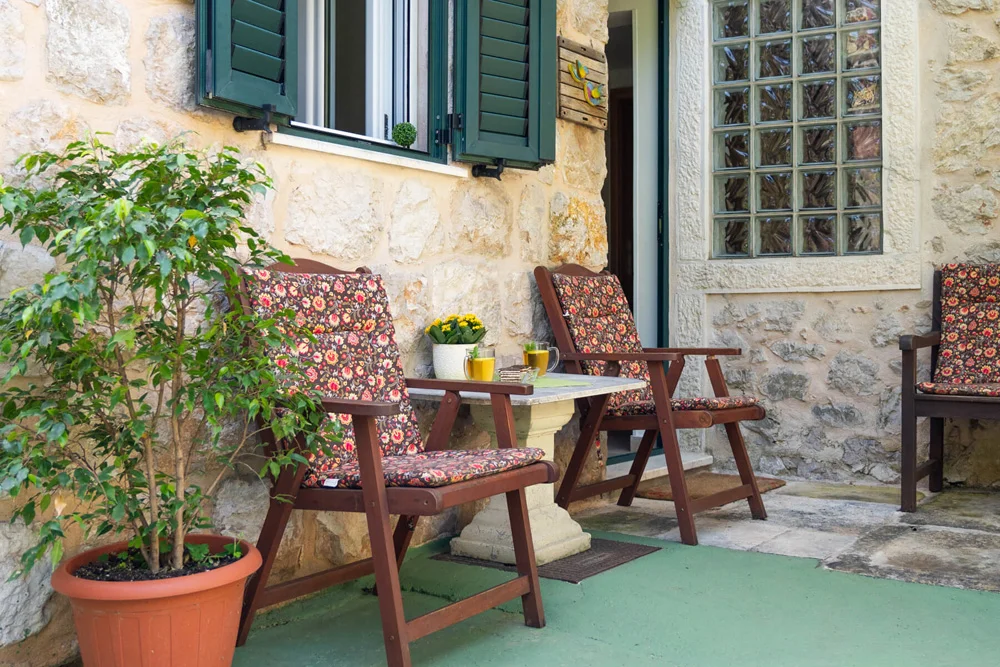
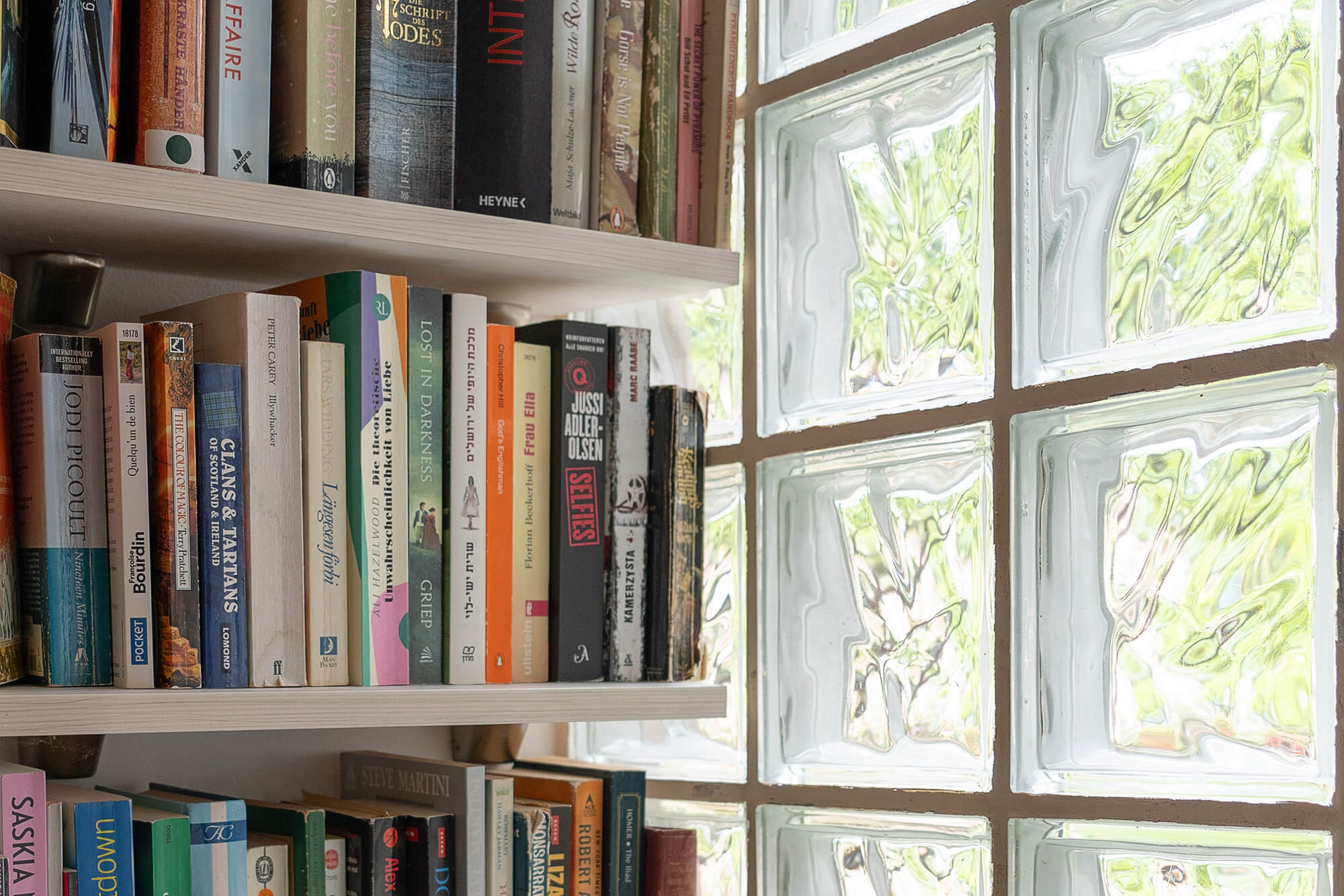
GardenHouse is in the uppermost house floor, featuring a bedroom, a library and a living room.
As the name suggest, it features a garden view as well as a balcony view, so you can enjoy the beautiful summer nights, or if you prefer the AC, stay inside and cool yourself off.
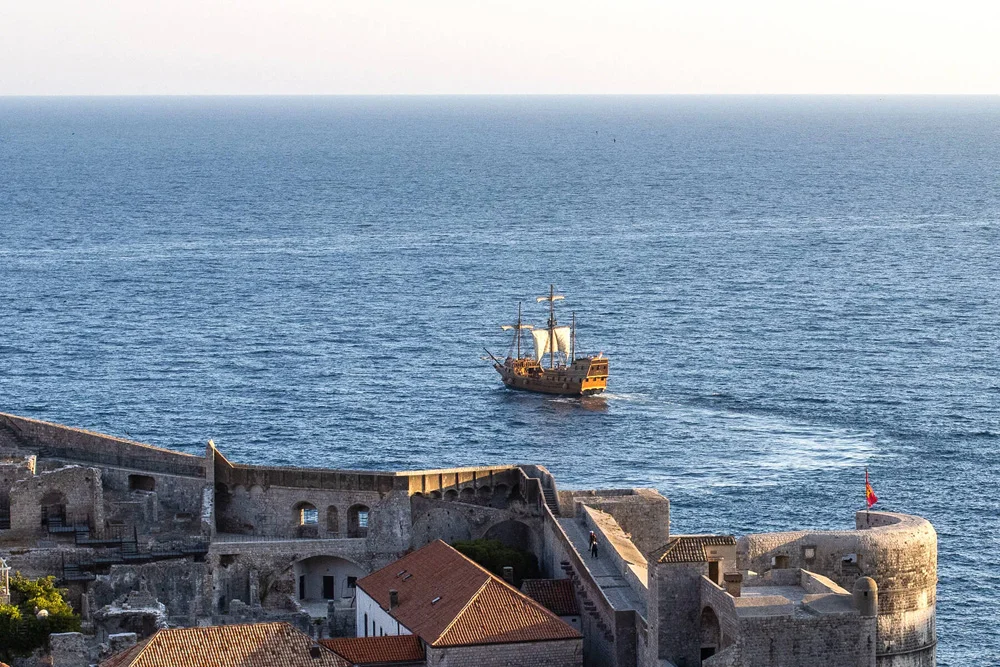
In 1358, Dubrovnik (Ragusa) becomes a city-state. The aristocratic Republic is governed by the Rector, whose reign could last for only a month. This is the shortest known mandate of a state ruler in the world history. According to the available archive documents, during some periods in the 15th and 16th century, the Republic of Dubrovnik had the highest per capita income in
Europe. Thanks to its continuous growth during the 16th century, the merchant navy of
Dubrovnik Republic, a state with just 60 000 inhabitants, not larger than 1000
sq km, achieved the status of the most powerful and the most profitable
merchant navy in the world.
In 1416 slavery is banned by law. This is one of the oldest laws of this kind in
Europe, which classifies Dubrovnik among the few enlightened states of the
time.
A diplomat from Dubrovnik officially met in Paris with Benjamin Franklin,
then American ambassador. This marked the recognition of the United States of
America by the Republic of Dubrovnik, the first state to sign the document.
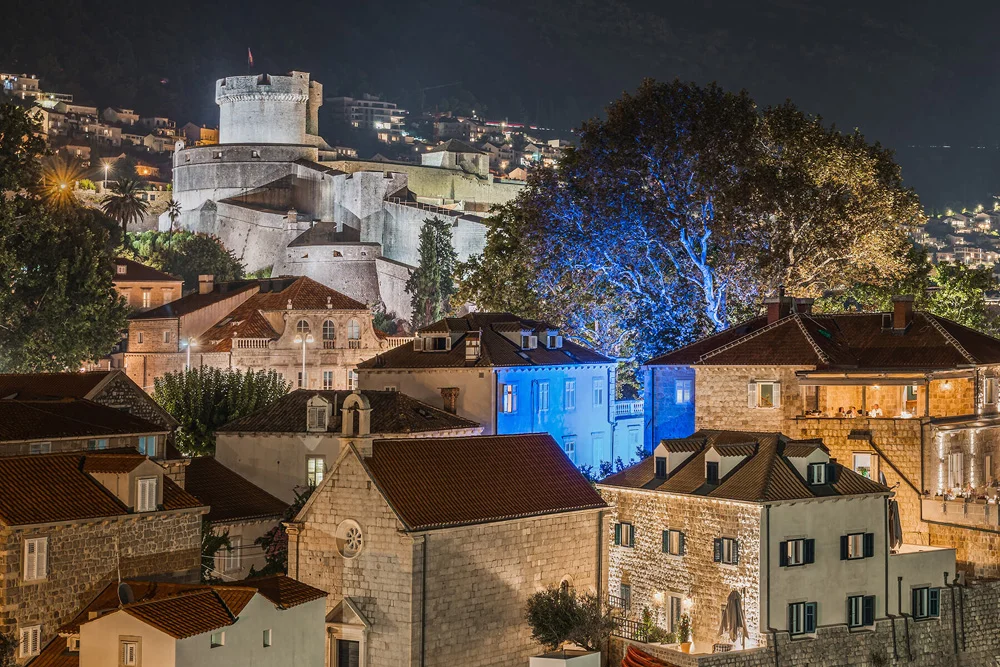
Dubrovnik, a unique historical town, is visited by travellers from all over the
world. The city walls alone attract over one million visitors per year.
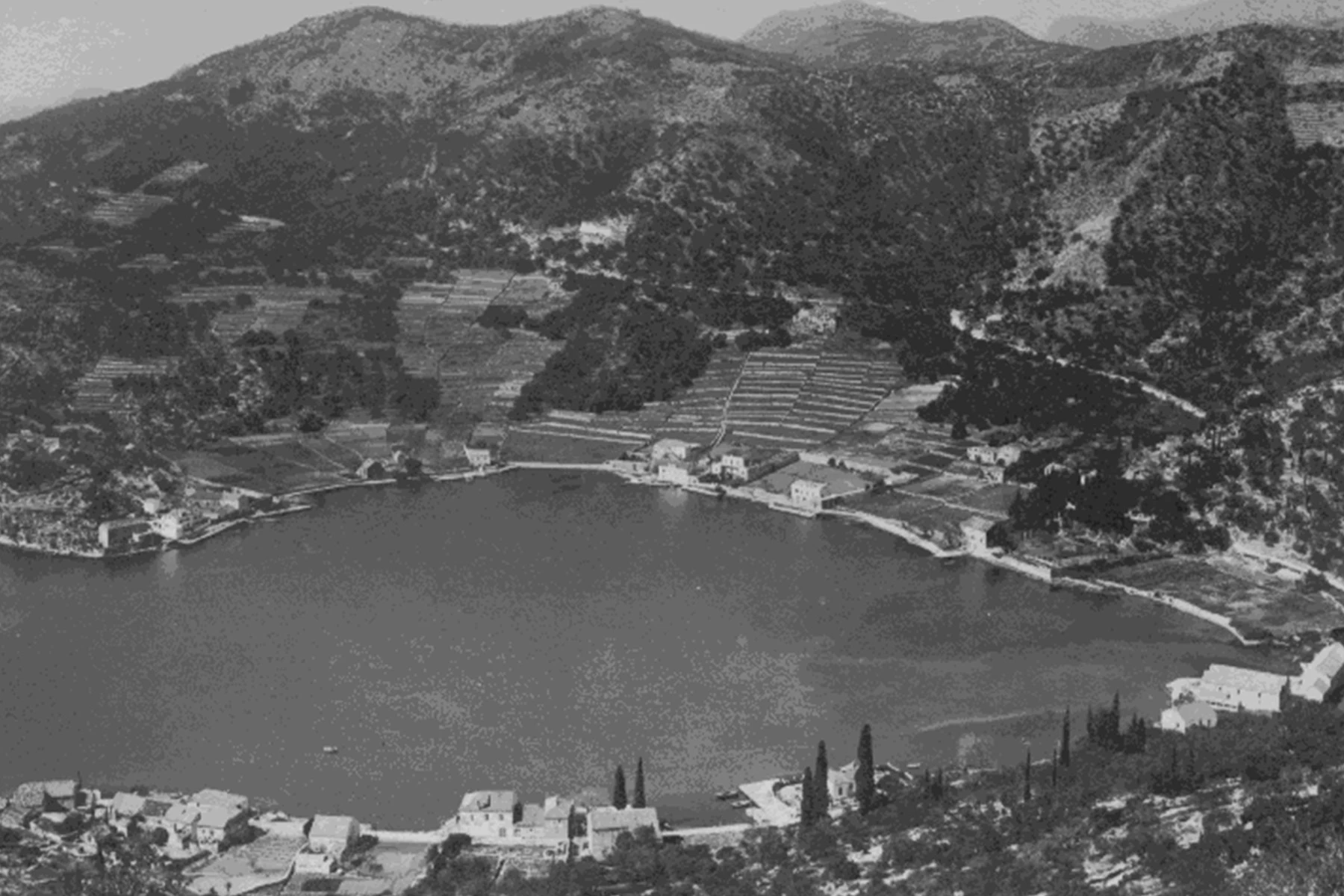
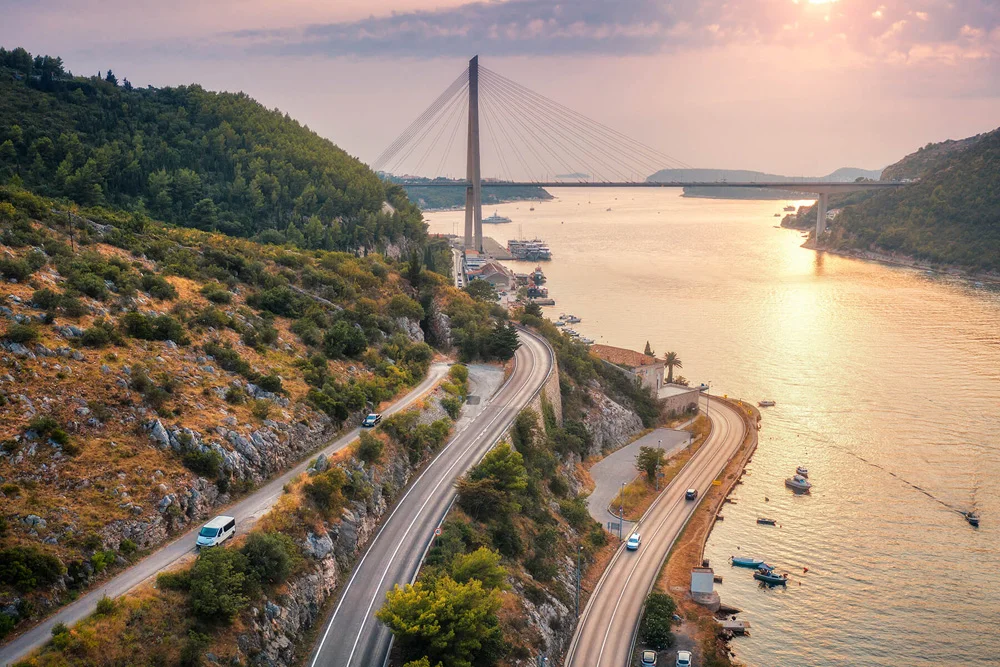
Zaton is a village located on the coast of the eponymous bay, 8 km northwest of Dubrovnik. It was named after a bay of irresistible beauty in which the nobility from Dubrovnik built their summer homes. Chief occupations are tourism, fishing farming, viticulture, and olive growing.
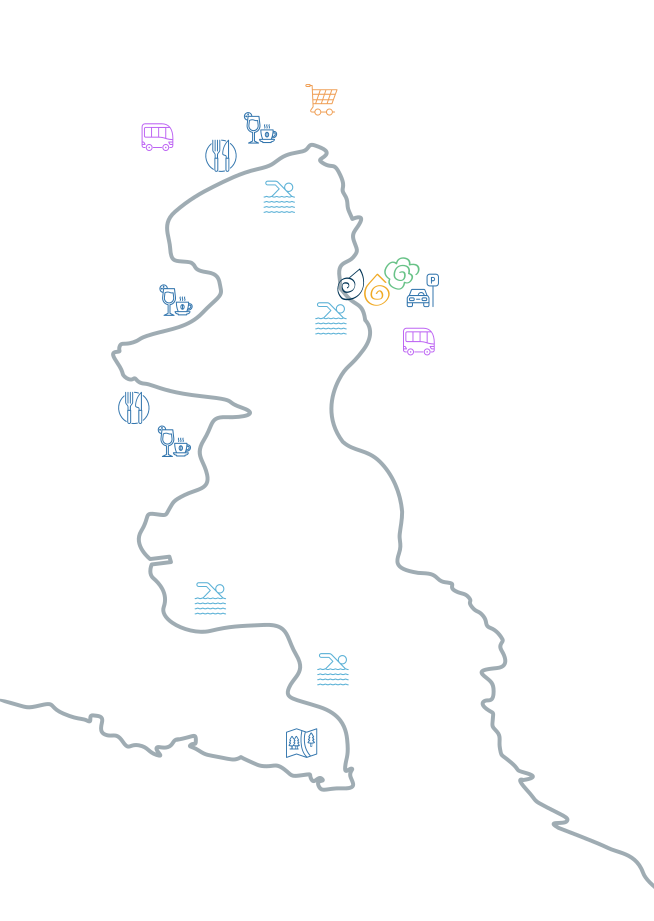
Zaton is a tourist resort on the Dubrovnik Riviera, with 12 restaurants raising the dining quality in this small area, watersport venues, and an uphill hiking path.
There is a lot to experience when it comes to culture – art, music and events are in full swing during the summer season. Here are just some of the interesting events and workshops worth exploring during your stay.
Dubrovnik summer festival
Music venue Park Orsula
Culture Hub Art Radionica Lazareti
Lindjo Folklore Ensemble
During the time of the Republic of Dubrovnik, Zaton was a favorite place for the construction of summer houses of the wealthier Dubrovnik aristocratic families, so in Zaton where built summer houses in the 14th century. The Renaissance summer manors of former Dubrovnik aristocracy are historical sites which characterize Zaton bay as a Dubrovnik summer manor region. Small church of St. Stjepan was built in the 10th century.