

This Cookie Policy was last updated on October 29, 2024 and applies to citizens and legal permanent residents of the European Economic Area and Switzerland.
Our website, https://seasoul-dubrovnik.com (hereinafter: "the website") uses cookies and other related technologies (for convenience all technologies are referred to as "cookies"). Cookies are also placed by third parties we have engaged. In the document below we inform you about the use of cookies on our website.
A cookie is a small simple file that is sent along with pages of this website and stored by your browser on the hard drive of your computer or another device. The information stored therein may be returned to our servers or to the servers of the relevant third parties during a subsequent visit.
A script is a piece of program code that is used to make our website function properly and interactively. This code is executed on our server or on your device.
A web beacon (or a pixel tag) is a small, invisible piece of text or image on a website that is used to monitor traffic on a website. In order to do this, various data about you is stored using web beacons.
Some cookies ensure that certain parts of the website work properly and that your user preferences remain known. By placing functional cookies, we make it easier for you to visit our website. This way, you do not need to repeatedly enter the same information when visiting our website and, for example, the items remain in your shopping cart until you have paid. We may place these cookies without your consent.
Statistics (anonymous)
We use Elementor for content creation. Read more about Elementor
This data is not shared with third parties.
Functional
We use WordPress for website development. Read more about WordPress
This data is not shared with third parties.
Statistics
We use Go Daddy for website hosting. Read more about Go Daddy
Purpose pending investigation
Sharing of data is pending investigation
When you visit our website for the first time, we will show you a pop-up with an explanation about cookies. As soon as you click on "Accept", you consent to us using all cookies and plug-ins as described in the pop-up and this Cookie Policy. You can disable the use of cookies via your browser, but please note that our website may no longer work properly.
You can use your internet browser to automatically or manually delete cookies. You can also specify that certain cookies may not be placed. Another option is to change the settings of your internet browser so that you receive a message each time a cookie is placed. For more information about these options, please refer to the instructions in the Help section of your browser.
Please note that our website may not work properly if all cookies are disabled. If you do delete the cookies in your browser, they will be placed again after your consent when you visit our website again.
You have the following rights with respect to your personal data:
To exercise these rights, please contact us. Please refer to the contact details at the bottom of this Cookie Policy. If you have a complaint about how we handle your data, we would like to hear from you, but you also have the right to submit a complaint to the supervisory authority (the Data Protection Authority).
For questions and/or comments about our Cookie Policy and this statement, please contact us by using the following contact details:
SeaSoul Art Apartments
Obala Stjepana Radića 15, 20235
Croatia
Website: https://seasoul-dubrovnik.com
Email: hello@ex.comseasoul-dubrovnik.com
This Cookie Policy was synchronized with cookiedatabase.org on November 12, 2024.
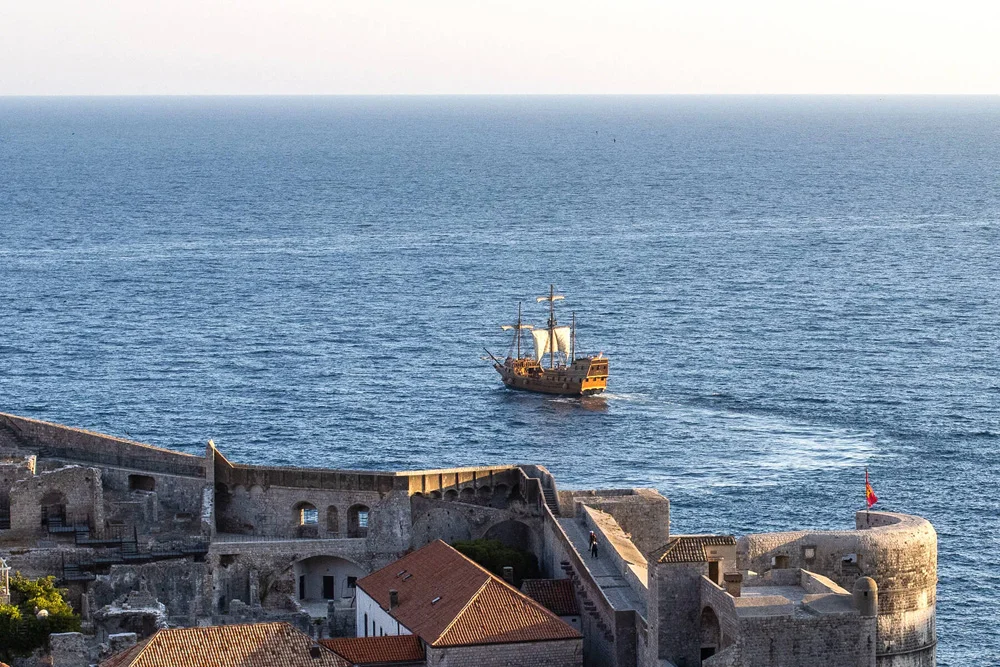
In 1358, Dubrovnik (Ragusa) becomes a city-state. The aristocratic Republic is governed by the Rector, whose reign could last for only a month. This is the shortest known mandate of a state ruler in the world history. According to the available archive documents, during some periods in the 15th and 16th century, the Republic of Dubrovnik had the highest per capita income in
Europe. Thanks to its continuous growth during the 16th century, the merchant navy of
Dubrovnik Republic, a state with just 60 000 inhabitants, not larger than 1000
sq km, achieved the status of the most powerful and the most profitable
merchant navy in the world.
In 1416 slavery is banned by law. This is one of the oldest laws of this kind in
Europe, which classifies Dubrovnik among the few enlightened states of the
time.
A diplomat from Dubrovnik officially met in Paris with Benjamin Franklin,
then American ambassador. This marked the recognition of the United States of
America by the Republic of Dubrovnik, the first state to sign the document.
Dubrovnik, a unique historical town, is visited by travellers from all over the
world. The city walls alone attract over one million visitors per year.

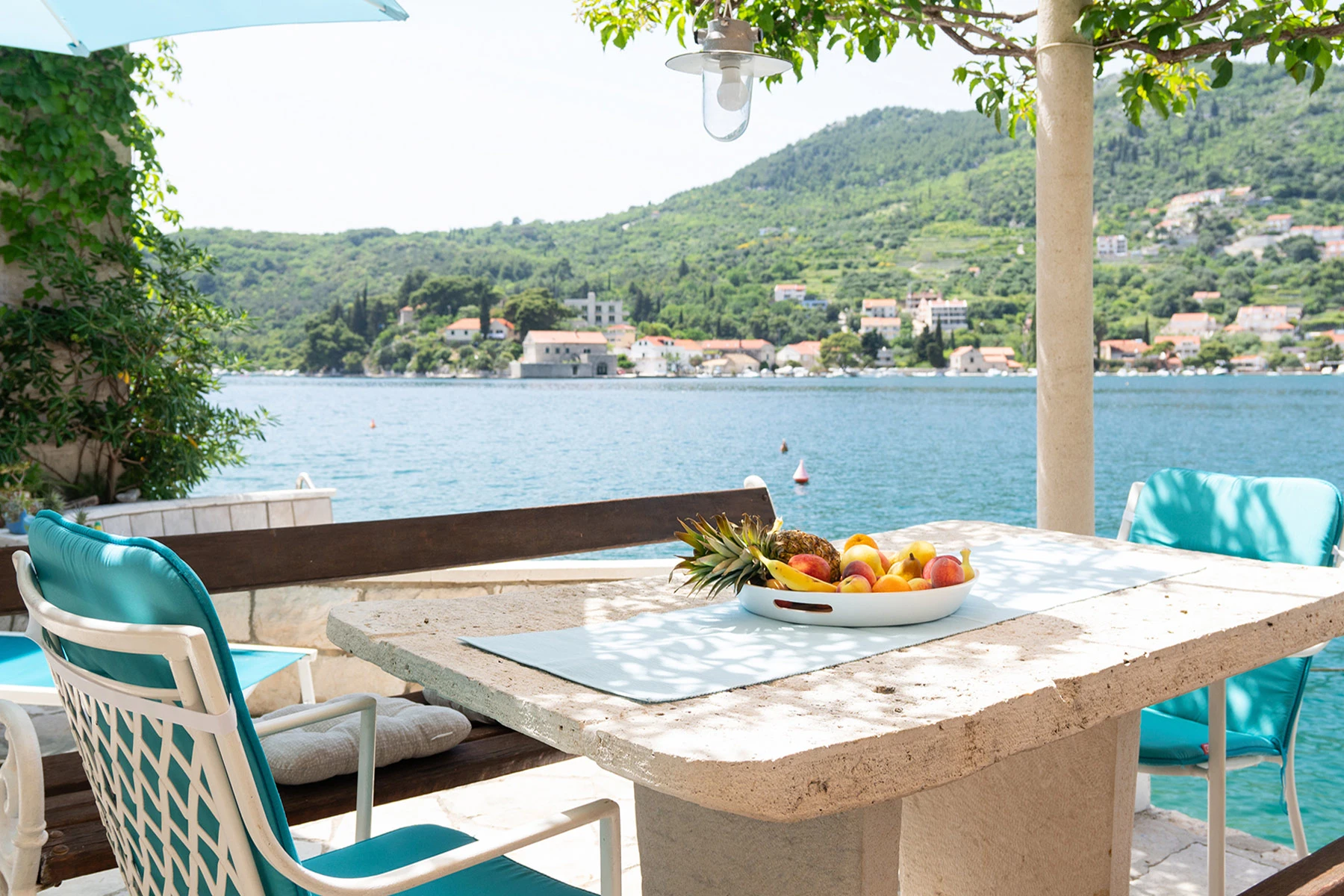
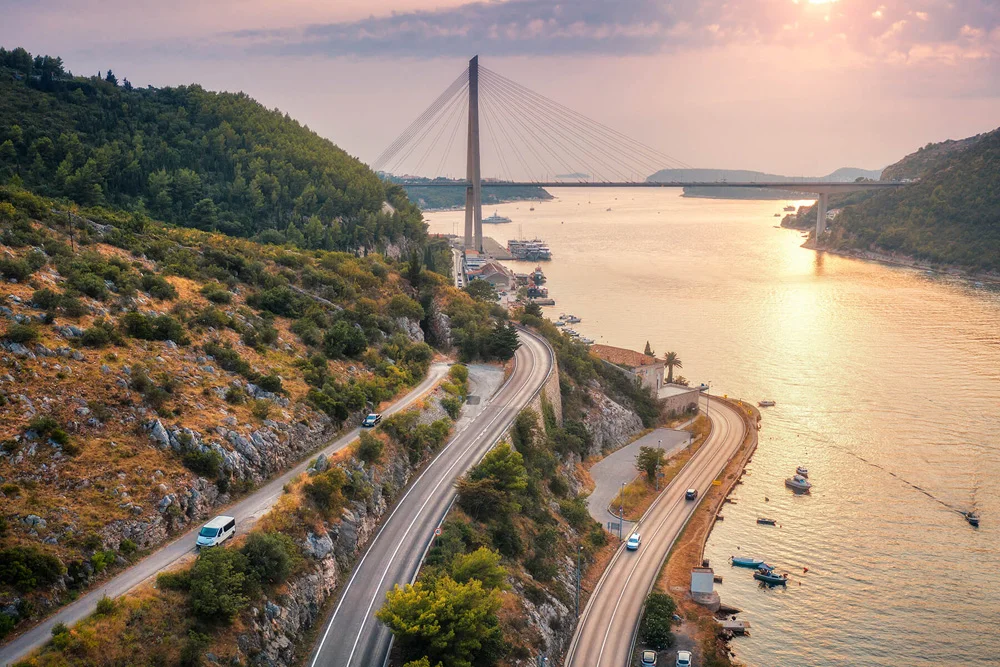
Zaton is a village located on the coast of the eponymous bay, 8 km northwest of Dubrovnik. It was named after a bay of irresistible beauty in which the nobility from Dubrovnik built their summer homes. Chief occupations are tourism, fishing farming, viticulture, and olive growing.
Zaton is a tourist resort on the Dubrovnik Riviera, with 12 restaurants raising the dining quality in this small area, watersport venues, and an uphill hiking path.
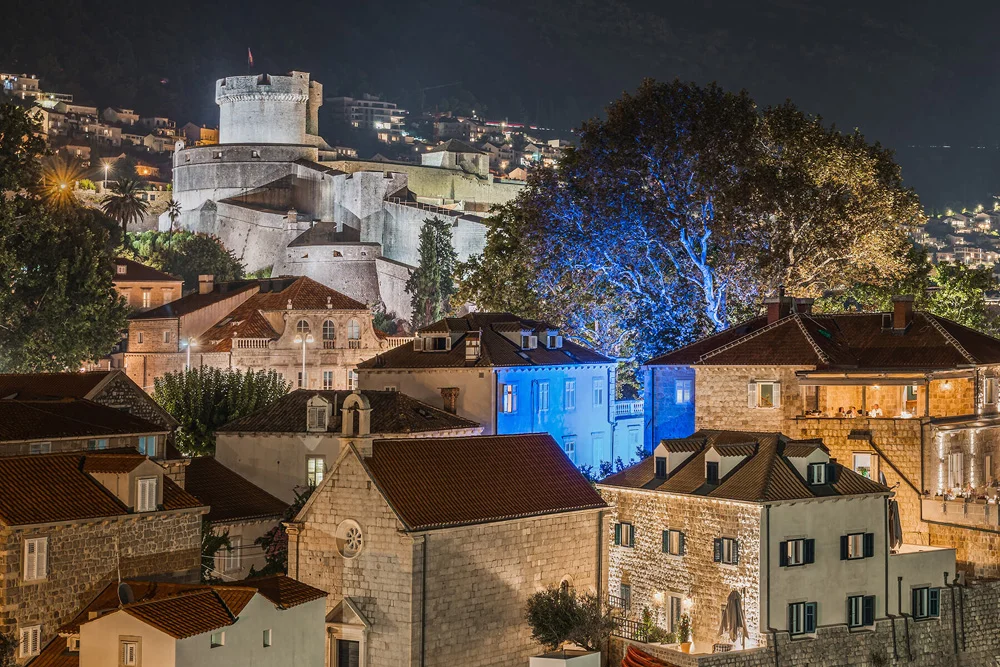
There is a lot to experience when it comes to culture – art, music and events are in full swing during the summer season. Here are just some of the interesting events and workshops worth exploring during your stay.
Dubrovnik summer festival
Music venue Park Orsula
Culture Hub Art Radionica Lazareti
Lindjo Folklore Ensemble
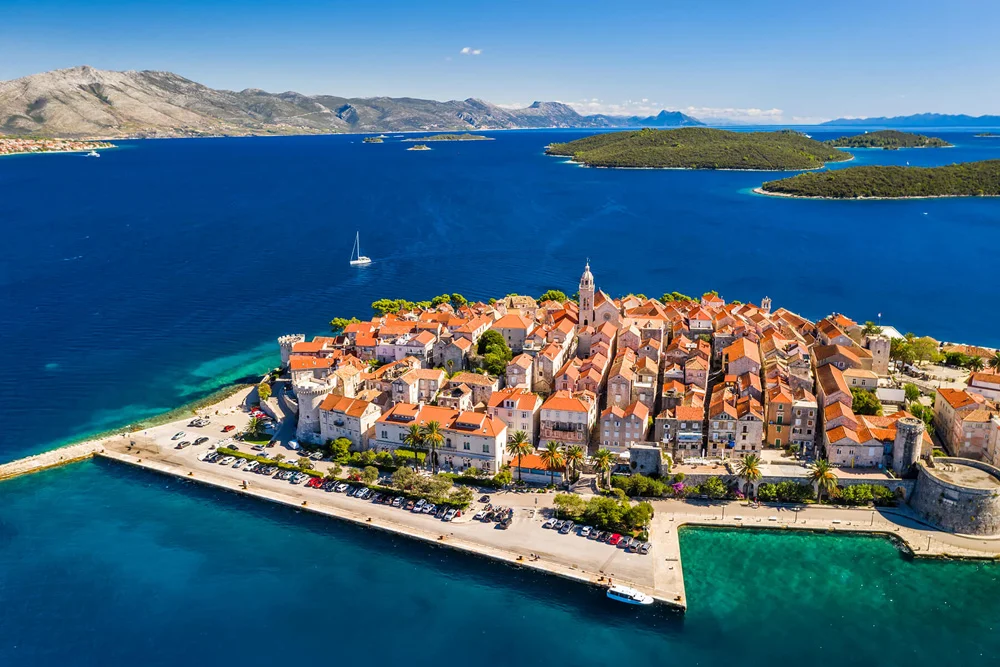
Explore the unique, beautiful islands in the immediate vicinity of Zaton, and enrich your visit with new experiences and lasting memories of Zaton and Croatia’s many islands.
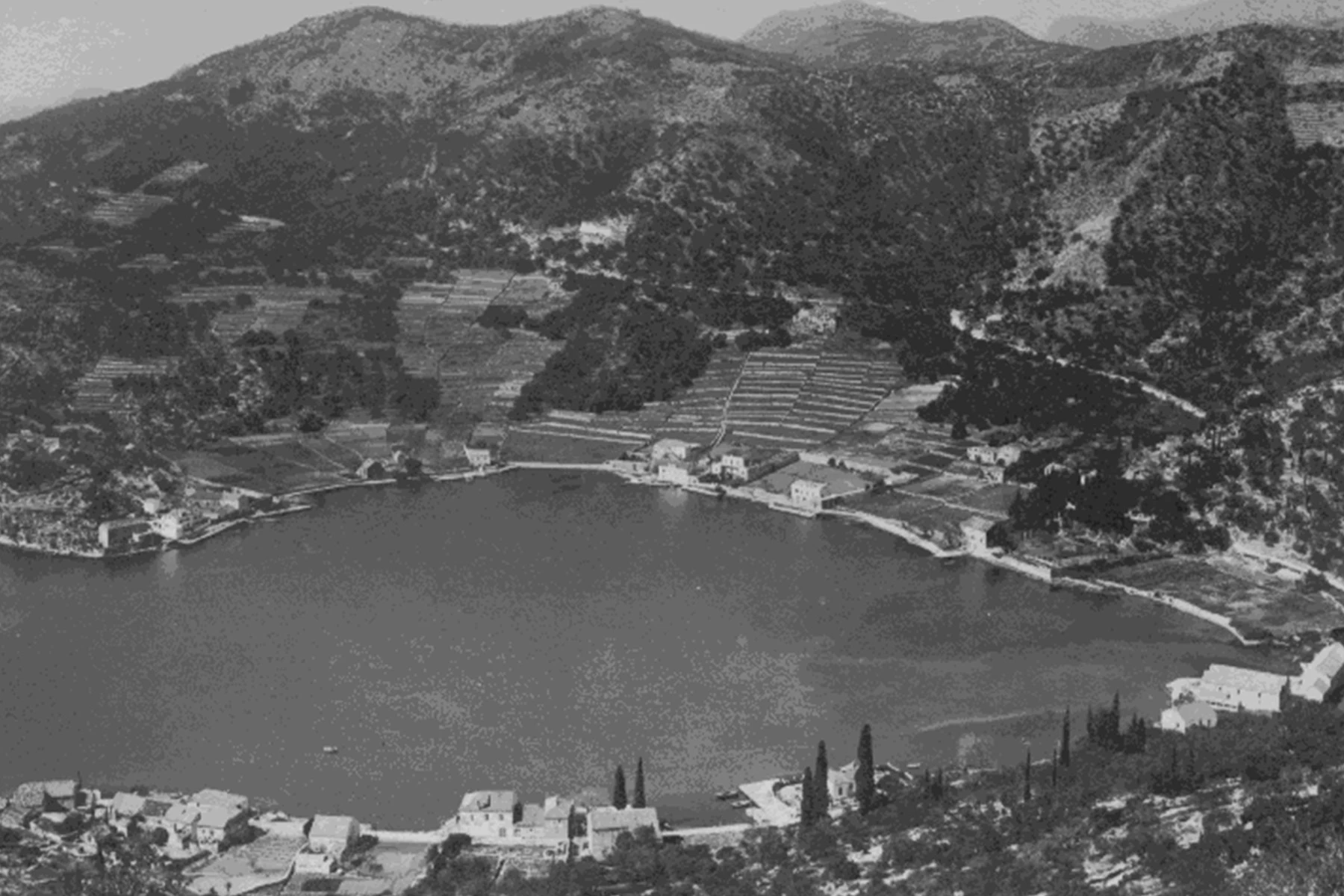
During the time of the Republic of Dubrovnik, Zaton was a favorite place for the construction of summer houses of the wealthier Dubrovnik aristocratic families, so in Zaton where built summer houses in the 14th century. The Renaissance summer manors of former Dubrovnik aristocracy are historical sites which characterize Zaton bay as a Dubrovnik summer manor region. Small church of St. Stjepan was built in the 10th century.
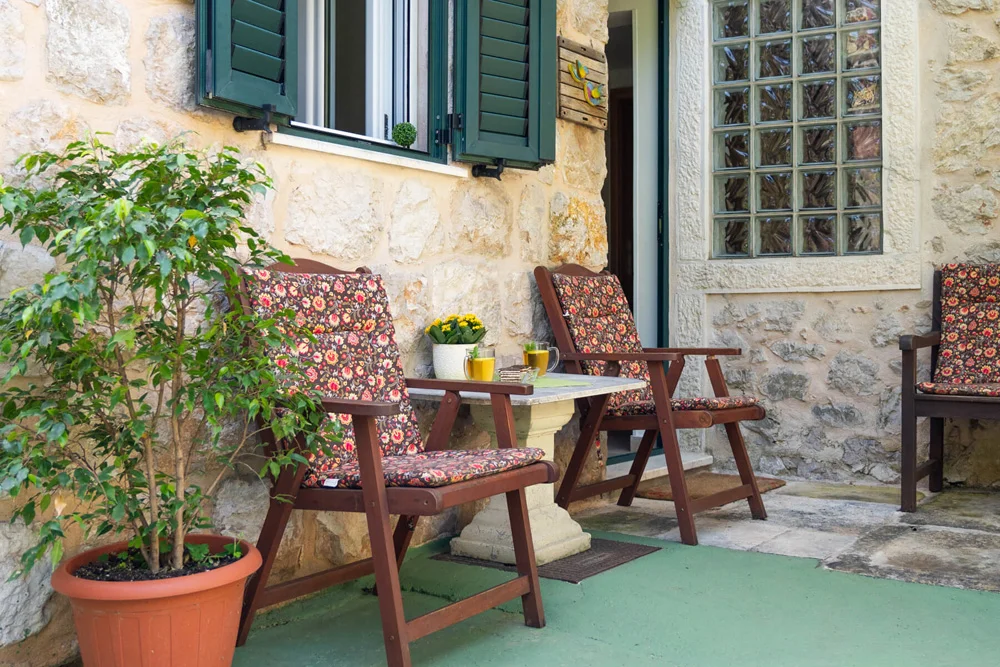
The guests are always greeted and made welcome on their arrival. One of us is always ready to help and assist you with any question or offer advice. If you need tips on local activities and events, or ideas for you stay, let us know and we’ll be happy to help.
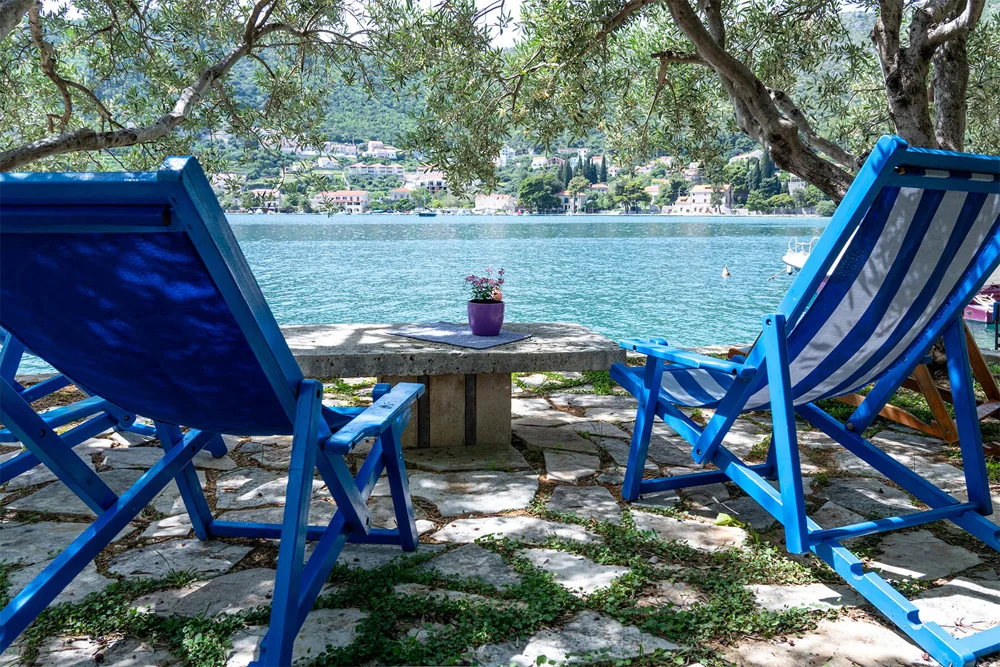
There are many possibilities for active holiday, such as rowing, cycling, sailing or discovering history. Share your interests with us, and our dedicated hosts will be delighted to assist in making your stay unforgettable.