Who we are

Suggested text: Our website address is: https://seasoul-dubrovnik.com.

Comments

Suggested text: When visitors leave comments on the site we collect the data shown in the comments form, and also the visitor’s IP address and browser user agent string to help spam detection.

An anonymized string created from your email address (also called a hash) may be provided to the Gravatar service to see if you are using it. The Gravatar service privacy policy is available here: https://automattic.com/privacy/. After approval of your comment, your profile picture is visible to the public in the context of your comment.

Media

Suggested text: If you upload images to the website, you should avoid uploading images with embedded location data (EXIF GPS) included. Visitors to the website can download and extract any location data from images on the website.

Cookies

Suggested text: If you leave a comment on our site you may opt-in to saving your name, email address and website in cookies. These are for your convenience so that you do not have to fill in your details again when you leave another comment. These cookies will last for one year.

If you visit our login page, we will set a temporary cookie to determine if your browser accepts cookies. This cookie contains no personal data and is discarded when you close your browser.

When you log in, we will also set up several cookies to save your login information and your screen display choices. Login cookies last for two days, and screen options cookies last for a year. If you select “Remember Me”, your login will persist for two weeks. If you log out of your account, the login cookies will be removed.

If you edit or publish an article, an additional cookie will be saved in your browser. This cookie includes no personal data and simply indicates the post ID of the article you just edited. It expires after 1 day.

Embedded content from other websites

Suggested text: Articles on this site may include embedded content (e.g. videos, images, articles, etc.). Embedded content from other websites behaves in the exact same way as if the visitor has visited the other website.

These websites may collect data about you, use cookies, embed additional third-party tracking, and monitor your interaction with that embedded content, including tracking your interaction with the embedded content if you have an account and are logged in to that website.

Who we share your data with

Suggested text: If you request a password reset, your IP address will be included in the reset email.

How long we retain your data

Suggested text: If you leave a comment, the comment and its metadata are retained indefinitely. This is so we can recognize and approve any follow-up comments automatically instead of holding them in a moderation queue.

For users that register on our website (if any), we also store the personal information they provide in their user profile. All users can see, edit, or delete their personal information at any time (except they cannot change their username). Website administrators can also see and edit that information.

What rights you have over your data

Suggested text: If you have an account on this site, or have left comments, you can request to receive an exported file of the personal data we hold about you, including any data you have provided to us. You can also request that we erase any personal data we hold about you. This does not include any data we are obliged to keep for administrative, legal, or security purposes.

Where your data is sent

Suggested text: Visitor comments may be checked through an automated spam detection service.


SeaSoul Dubrovnik Zaton History

History

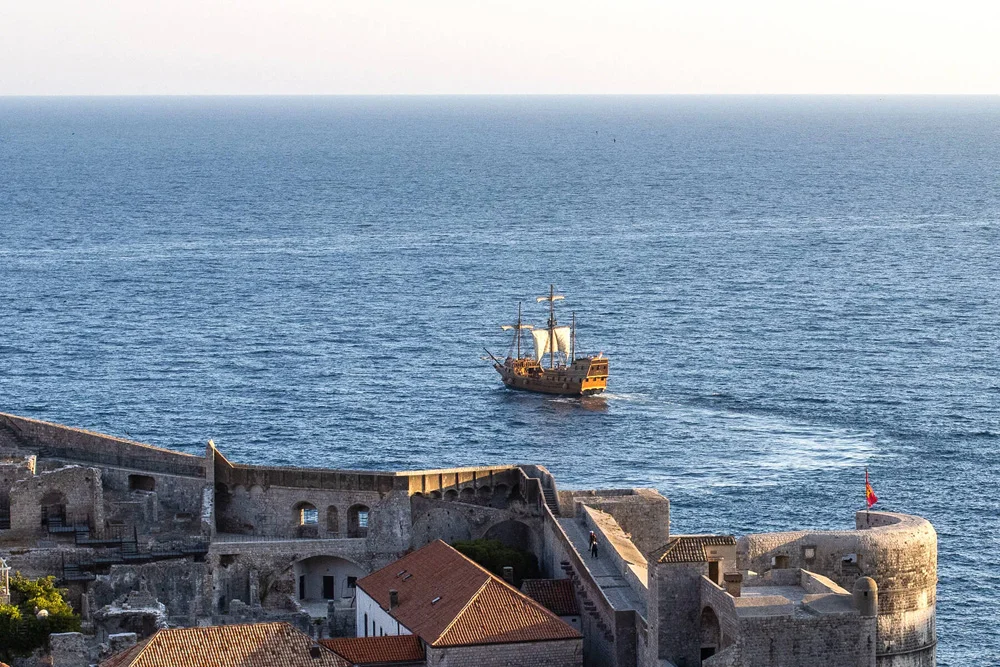
In 1358, Dubrovnik (Ragusa) becomes a city-state. The aristocratic Republic is governed by the Rector, whose reign could last for only a month. This is the shortest known mandate of a state ruler in the world history. According to the available archive documents, during some periods in the 15th and 16th century, the Republic of Dubrovnik had the highest per capita income in
Europe. Thanks to its continuous growth during the 16th century, the merchant navy of
Dubrovnik Republic, a state with just 60 000 inhabitants, not larger than 1000
sq km, achieved the status of the most powerful and the most profitable
merchant navy in the world.

In 1416 slavery is banned by law. This is one of the oldest laws of this kind in
Europe, which classifies Dubrovnik among the few enlightened states of the
time.

A diplomat from Dubrovnik officially met in Paris with Benjamin Franklin,
then American ambassador. This marked the recognition of the United States of
America by the Republic of Dubrovnik, the first state to sign the document.
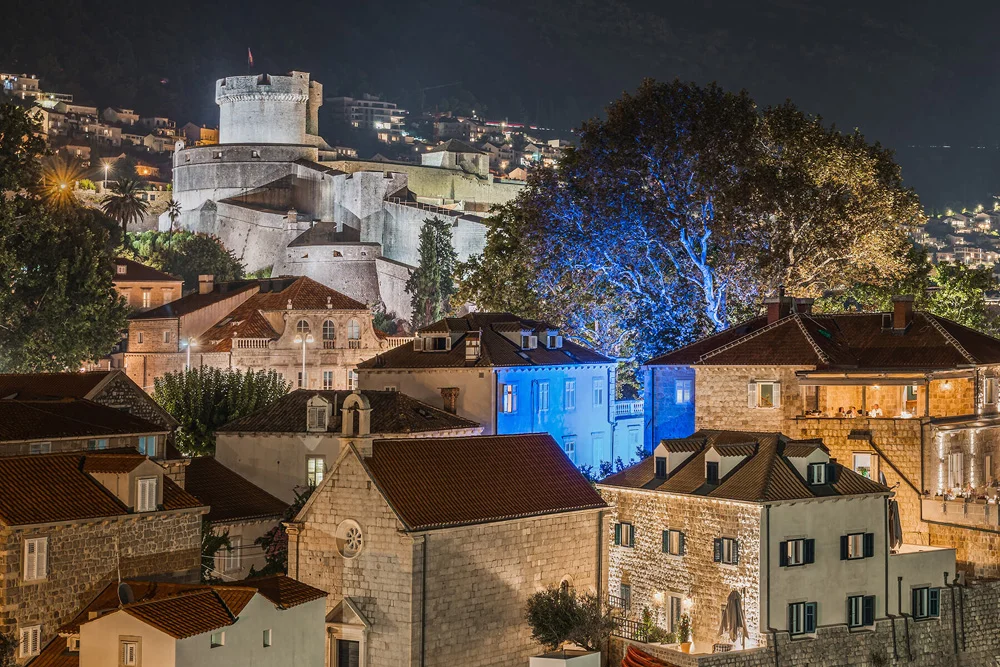
Dubrovnik, a unique historical town, is visited by travellers from all over the
world. The city walls alone attract over one million visitors per year.

About Zaton

About Zaton

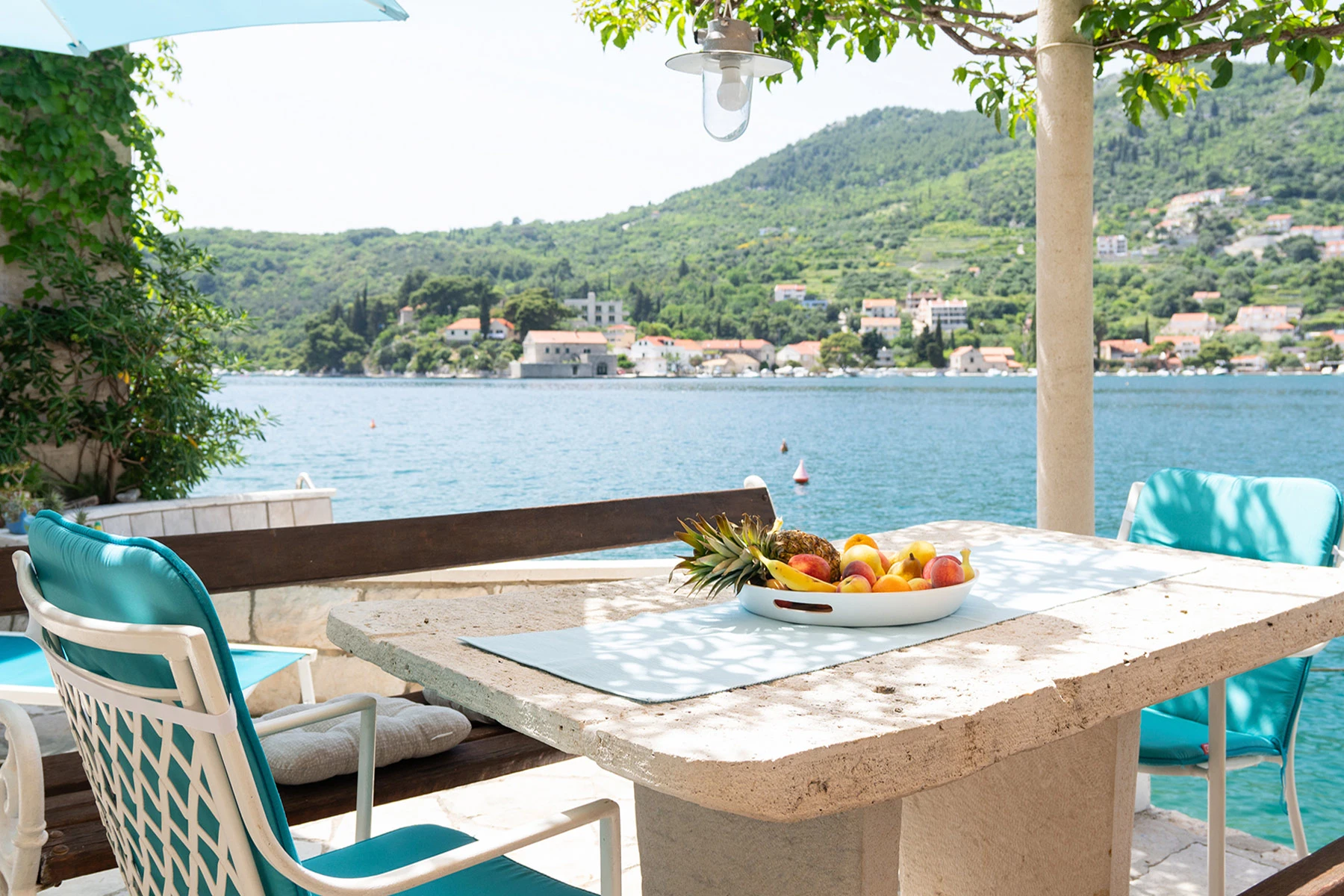
Zaton is a village located on the coast of the eponymous bay, 8 km northwest of Dubrovnik. It was named after a bay of irresistible beauty in which the nobility from Dubrovnik built their summer homes. Chief occupations are tourism, fishing farming, viticulture, and olive growing.

Zaton is a tourist resort on the Dubrovnik Riviera, with 12 restaurants raising the dining quality in this small area, watersport venues, and an uphill hiking path.

Dubrovnik culture

Culture

There is a lot to experience when it comes to culture – art, music and events are in full swing during the summer season. Here are just some of the interesting events and workshops worth exploring during your stay.

  • Dubrovnik summer festival

  • Music venue Park Orsula

  • Culture Hub Art Radionica Lazareti

  • Lindjo Folklore Ensemble

Dubrovnik islands Korčula

Islands

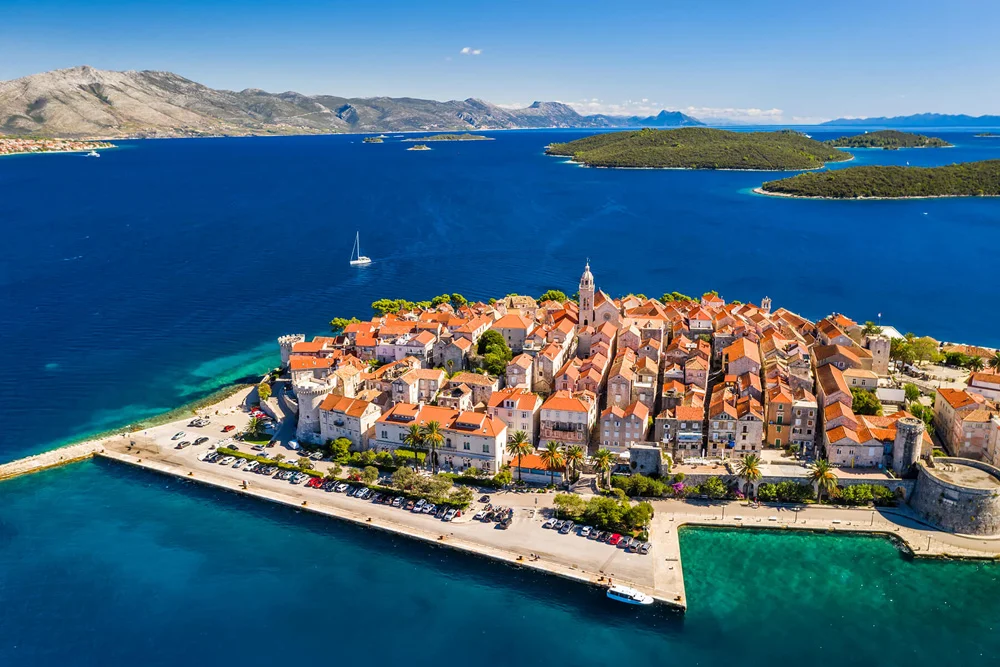
Explore the unique, beautiful islands in the immediate vicinity of Zaton, and enrich your visit with new experiences and lasting memories of Zaton and Croatia’s many islands.

  • Lokrum
  • Elafiti islands
  • Mljet national park
  • Korčula island

SeaSoul Dubrovnik Zaton History

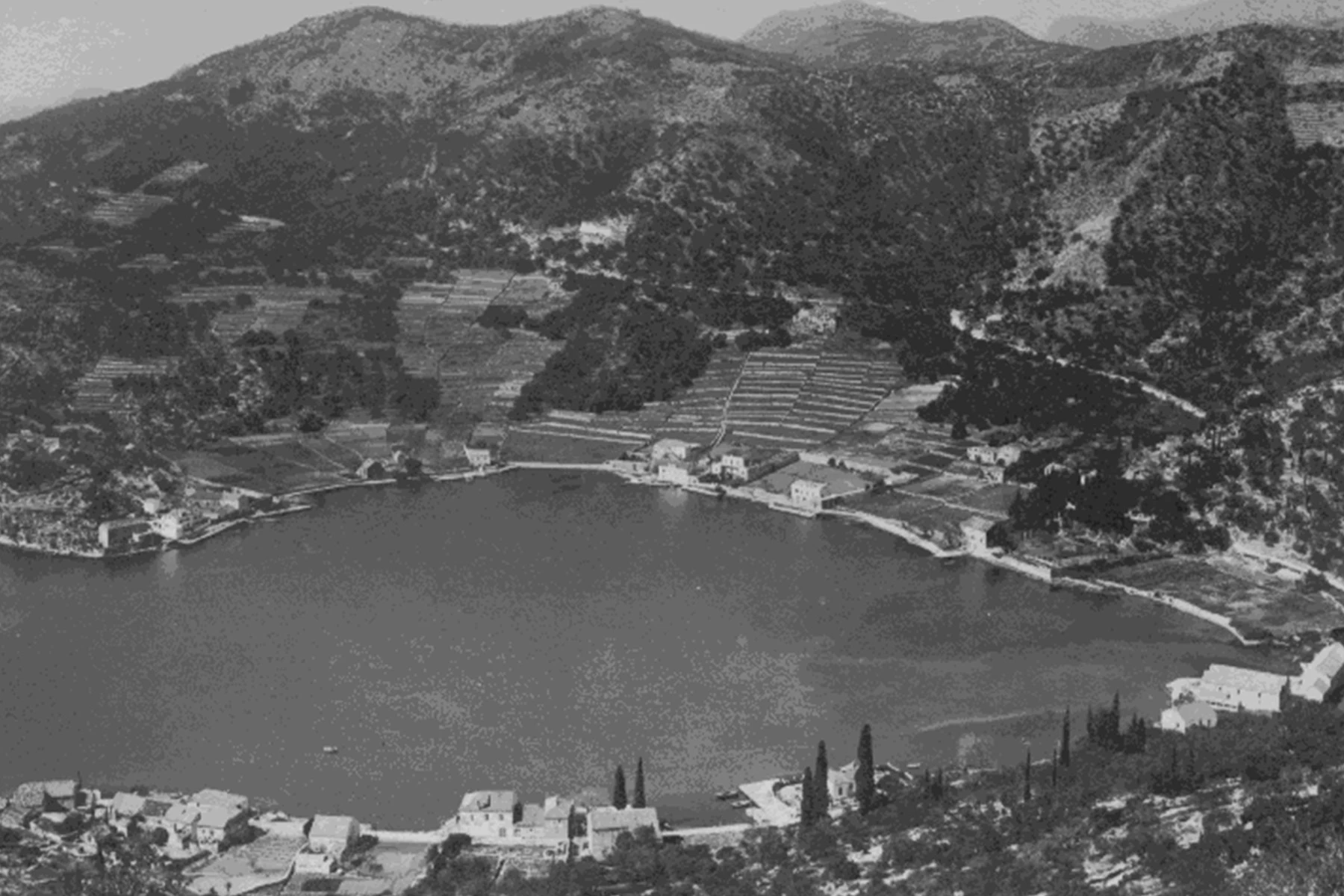
Zaton history

During the time of the Republic of Dubrovnik, Zaton was a favorite place for the construction of summer houses of the wealthier Dubrovnik aristocratic families, so in Zaton where built summer houses in the 14th century. The Renaissance summer manors of former Dubrovnik aristocracy are historical sites which characterize Zaton bay as a Dubrovnik summer manor region. Small church of St. Stjepan was built in the 10th century.

Apartments Zaton Mali hospitality

Hospitality

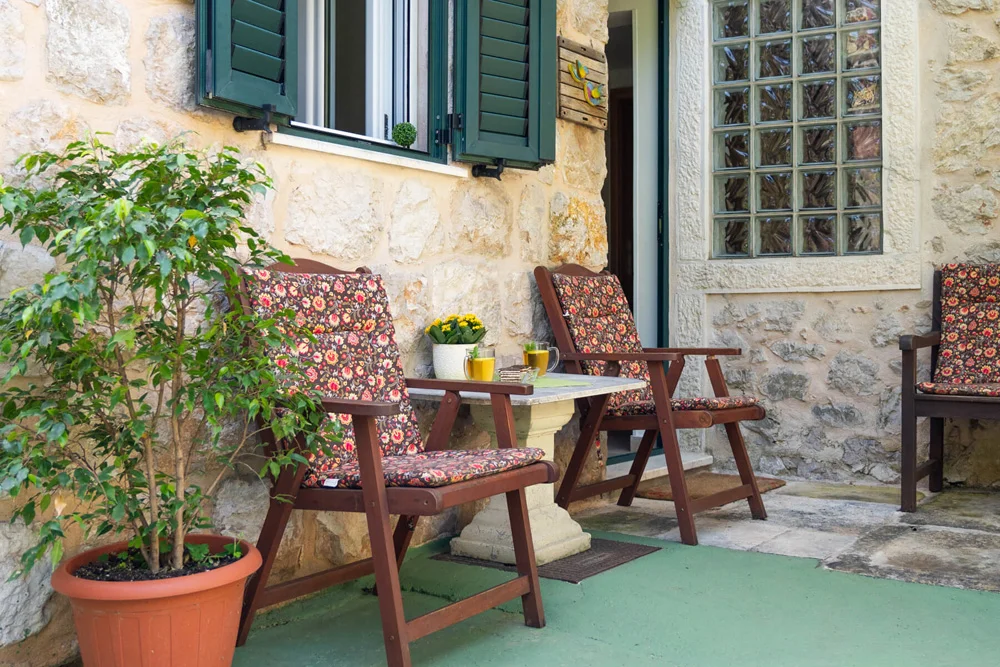
The guests are always greeted and made welcome on their arrival. One of us is always ready to help and assist you with any question or offer advice. If you need tips on local activities and events, or ideas for you stay, let us know and we’ll be happy to help.


Dubrovnik local experiences

Local experiences

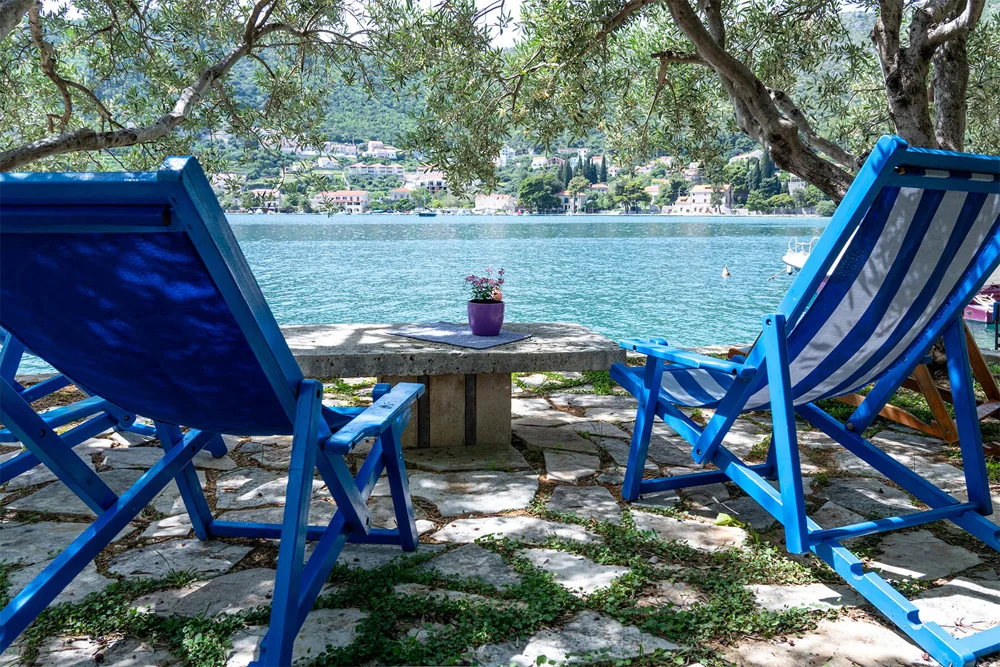
There are many possibilities for active holiday, such as rowing, cycling, sailing or discovering history. Share your interests with us, and our dedicated hosts will be delighted to assist in making your stay unforgettable.

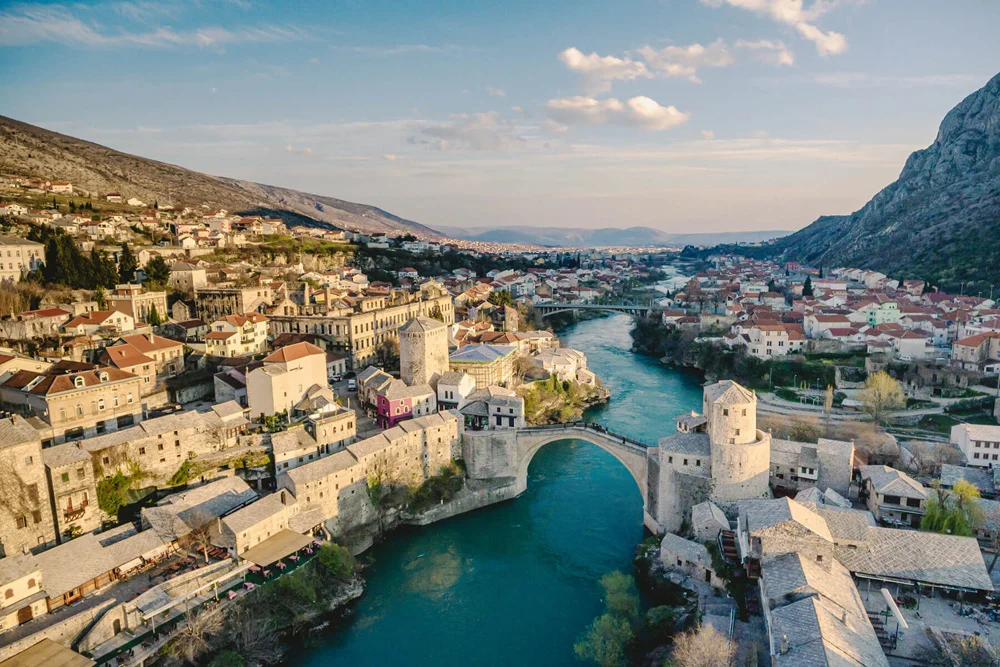
Mostar bridge

Neighbouring countries

Montenegro, a small Balkan country on the Adriatic Sea, is known for its stunning natural beauty, and Kotor Bay (Boka Kotorska) is one of its most breathtaking highlights. The medieval town of Kotor, nestled within the bay, is a UNESCO World Heritage Site, famous for its well-preserved architecture, winding streets, and impressive city walls that rise into the surrounding hills
 
Mostar is a historic city in Bosnia and Herzegovina, famous for its iconic Stari Most (Old Bridge,UNESCO World Heritage site) which arches gracefully over the Neretva River. It’s a symbol of resilience, having been reconstructed after being destroyed during the Bosnian War, and it remains a popular attraction for visitors. The city, rich in Ottoman and Austro-Hungarian influences, reflects a blend of cultures and traditions. Mostar’s Old Town, with its cobblestone streets, traditional markets, and mosques, showcases its diverse heritage.
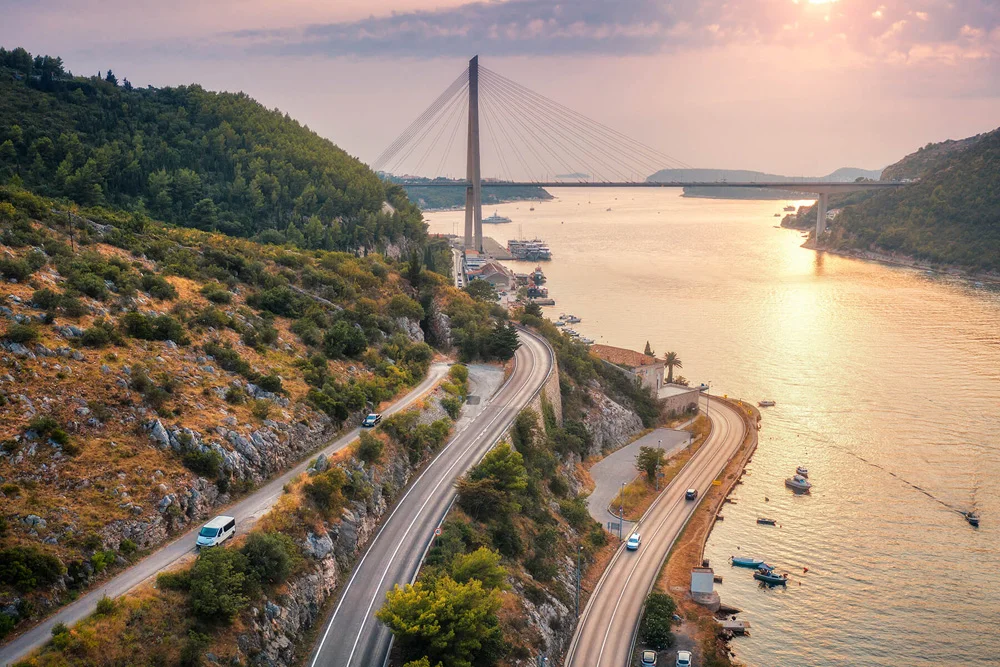
Dubrovnik bridge sunset

Transport

Here are some useful links to help you get around and plan your daily activities.